

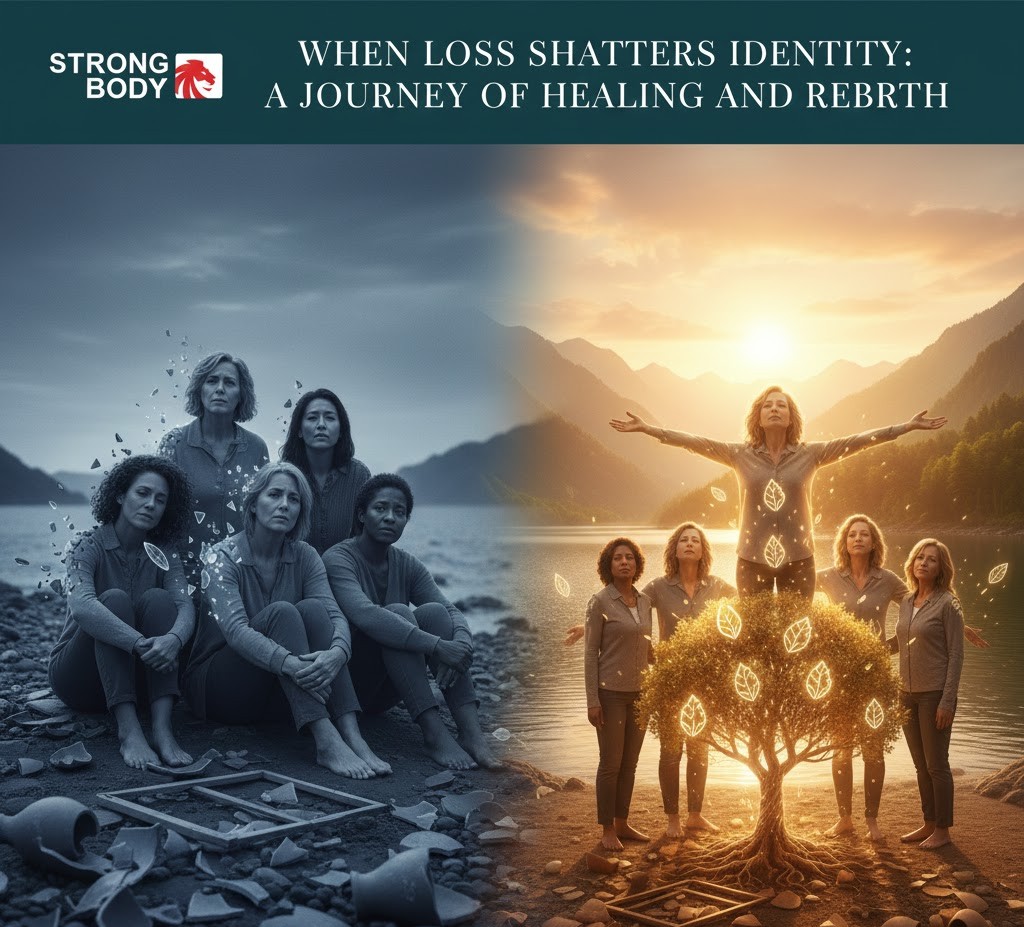
On the fourteenth floor of a studio apartment in Chicago’s bustling Loop district in Illinois, the harsh winter days of 2023 were enveloped in thick darkness. The only light came faintly from an old IKEA desk lamp, casting long shadows on the grayish-white walls accumulated with dust over time. Outside the large glass window, winds from Lake Michigan blew fiercely, carrying freezing rain pellets that pattered against the frost-covered glass, creating a steady sound like the slow heartbeat of someone struggling to survive.

Emily Harper, forty-five years old, a freelance journalist once renowned for her in-depth investigative pieces for the Chicago Tribune and national magazines, now sat curled up in a worn brown leather armchair. A thin wool blanket wrapped tightly around her shoulders, desperately holding onto the last bit of warmth. The smell of cold black coffee lingered from a white porcelain cup with a chipped corner, permeating the empty space of just about 377 square feet. This place had once been a modest home she bought after her parents passed away, but now it was filled only with isolation and nameless pain.
Three years earlier, a serious car accident on Interstate 90 took both her parents at once in a chain collision caused by thick fog. That tragedy swept away her only emotional support—the woman who had already been orphaned early in childhood. Emily felt lost in this windy city, where everyone hurried with work in the Loop’s skyscrapers, while she gradually sank into an indefinite void. But in that moment of despair, a memory flashed: her mother’s laughter echoing in the old kitchen, the fragrant smell of freshly baked apple pie from the antique oven—a tiny spark of hope reminding her that she had once been part of something warm and meaningful.
American society, especially in big cities like Chicago, often celebrates the image of the “strong independent woman”—self-reliant, resilient, and quick to “move on” after loss. However, for sensitive middle-aged women like Emily, this pressure becomes a double burden. They are expected to keep working, earning money, and maintaining a modern life, but the grief from losing parents or loved ones is often pushed into the shadows, not fully acknowledged by society. According to reports from the American Psychological Association, millions of women aged forty to fifty experience prolonged depression after major loss, but only a small portion seek professional help due to the stigma of having to overcome it alone. Emily was no exception.
She had her closest friend Rachel living in New York, a fashion magazine editor who often called to check in. Rachel worried: “Emily, you need to talk to a professional. I know you’re strong, but don’t do this alone.” But geographic distance and Rachel’s busy schedule made the calls less frequent. There was also her cousin Michael in Milwaukee, a construction engineer who occasionally texted to ask how she was, but Michael was struggling with his own family life and couldn’t provide deeper support. Secondary relationships, like former colleagues at the Chicago Tribune, only contacted via work emails—not enough to notice Emily’s profound changes.
Emily’s decline didn’t happen suddenly but accumulated gradually through bad habits formed after the tragedy. At first, it was days lying in bed, missing article deadlines, staying up late scrolling through old photos of her parents on her phone. Gradually, she skipped proper meals, nibbling on fast food delivered via DoorDash—cold salads or frozen sandwiches. Her habit of running along Lake Michigan vanished; her Nike shoes gathered dust in the corner. She lost ten pounds in the first year, her body gaunt under oversized sweaters, hair falling out in handfuls during hot showers, skin dull and dry despite once using high-end creams from Sephora. Prolonged insomnia plagued her, with restless nights accompanied by endless howling winds outside the window, leading to chronic fatigue and difficulty focusing on writing. Mentally, constant anxiety turned into unfounded irritability with herself; mild depression crept in, making every memory of her parents a burden.
Emily had tried popular American solutions: downloading the Calm app for meditation, but the generic guidance didn’t touch her personal pain. She tried a psychology chatbot on Talkspace, but the mechanical, shallow responses made her feel even lonelier. Traditional therapy in Chicago could cost up to two hundred fifty dollars per session—too extravagant for her unstable freelance income after depleting savings on her parents’ funerals. Financial constraints combined with fear of judgment pushed her deeper into a vicious cycle.
One piercingly cold December afternoon, Emily scrolled LinkedIn on her laptop, searching for articles on mental health after loss. A post from her close friend Rachel appeared, sharing about StrongBody AI, a platform connecting users to real health experts from around the world. Curious, Emily clicked the link: https://strongbody.ai. The clean, friendly interface with soothing light green tones gave a sense of safety. She signed up quickly—just an email and password. The system asked her to select concerns: mental health, identity crisis after loss, middle-aged women’s care. The automatic matching worked instantly, recommending Dr. Sophia Nguyen, a psychology specialist and mental health coach from Los Angeles of Vietnamese origin, specializing in helping women overcome grief and rebuild identity. Dr. Sophia was not only a licensed therapist but also had personal experience overcoming the loss of her parents.
The first interaction via StrongBody AI’s messenger surprised Emily. Dr. Sophia sent a voice message with a warm, gentle voice: “Emily, I understand that suddenly losing parents often shakes the foundation of our identity. But we can rebuild from small pieces, sis.”
StrongBody AI, while advanced with features like automatic language translation and smart matching, still had clear technical limitations. For example, it didn’t support integrated direct video calls—users had to switch to Zoom or Google Meet, which sometimes caused interruptions if the connection was weak during Chicago’s snowstorms. Additionally, the health tracking journal, though detailed, sometimes synced slowly when uploading many memory photos. Voice translation was smooth but not perfect with strong regional accents or English with a Vietnamese inflection. Most importantly, StrongBody AI could not replace local doctors in severe psychological emergencies—it was only a bridge for proactive care.
Emily’s rebirth journey began with small changes but required persistent effort from her. Dr. Sophia designed weekly plans: drink plenty of water starting with a hot herbal tea (bergamot scent evoking her mother), ten minutes of deep breathing by the window overlooking Lake Michigan, earlier bedtimes, and full breakfasts with Greek yogurt and fresh fruit.

Emily tried to apply them but it wasn’t easy. The first week, she was excited—a spark of energy returned, skin glowed more. But by the third week, memories of her parents flooded back, making her sob and miss meals. She messaged Dr. Sophia at midnight: “I can’t sleep again; it feels like I’ve lost everything forever.” Dr. Sophia replied just ten minutes later: “Your efforts are commendable, Emily. This is part of the grief process—we’ll adjust with daily emotion journaling and adding letters to your parents. Try the Zoom session this week, okay?” This timely response was a powerful catalyst, but Emily’s own initiative—journaling consistently, even if just a few lines at first—laid the foundation for progress.
A key event in the second month: Emily joined a virtual Zoom support group organized by Dr. Sophia with six other women from the US and Canada.

There, she first shared her story of losing her parents, voice trembling through the mic. The other women shared similar experiences—one named Lisa from Boston talked about overcoming it through journaling; another, Anna from Toronto, about reconnecting with distant relatives. The two-hour chat ended with a collective breathing exercise. Emily cried, but they were tears of release. She realized she wasn’t alone, and this sharing effort marked a mental turning point.
In the fourth month, an identity crisis exploded when Emily received a letter from the lawyer about her parents’ estate, accompanied by old keepsakes like her mother’s wedding ring and family photo album. Severe anxiety attacks came with prolonged migraines and a complete sense of disorientation, as if she was shattering. Panicking, she connected immediately via StrongBody AI with Dr. Sophia, sending detailed journal entries and photos of the keepsakes. Dr. Sophia quickly matched her with a grief counseling specialist named Dr. Marcus Lee from Chicago, organizing an emergency Zoom session: “This is the bargaining stage in grief—very normal. We’ll handle it step by step; you’re not alone.” The timely support helped Emily navigate the crisis, avoiding deeper collapse, and learn to accept her new identity.
Along the journey, secondary characters contributed: Rachel, her close friend, noticed Emily’s changes through brighter messages on WhatsApp. Rachel texted: “You seem so different—tell me everything!” Emily shared about StrongBody AI, and Rachel encouraged her, even organizing a group coffee weekend at familiar Intelligentsia. Cousin Michael called from Milwaukee after hearing from Rachel: “You’re so strong; I’m proud of you. Keep going.” These relationships revived thanks to Emily’s progress—not just from the platform, but from her determination to change.
After eight months, results exceeded expectations: Emily slept soundly six to eight hours nightly, glowing skin thanks to diet and rest, abundant energy returning to writing—she completed her first long article in three years on middle-aged women’s mental health for a national magazine. Mood stabilized, anxiety greatly reduced; she joined local yoga classes twice a week,

fully reconnected with Rachel and friends. Weekends included drives along Lake Michigan, stopping at Millennium Park, sitting on wooden benches watching light snow fall, breathing fresh air with hot coffee from a thermos.

The fresh snow scent, cold wind caressing her cheeks, laughter from surrounding visitors made Emily smile naturally for the first time. She video-called Rachel to share the journey; Rachel was moved: “You’ve done it.”
Emily expanded life beyond StrongBody AI: joining a women’s writing club in Chicago, meeting new friends sharing life experiences. She started a personal blog about her rebirth journey, inspiring other middle-aged women. Freelance work grew; she took international projects thanks to restored writing skills. She even tried dating again—a man named David, an old colleague via a dating app—with first coffee dates full of excitement and hope. Her life became more diverse, not just mental health-focused but including career, relationships, and hobbies like reading and short trips to Milwaukee to visit her cousin.
In her final session, Emily told Dr. Sophia: “You and StrongBody AI have been an amazing catalyst, but I chose to take each step daily.” Dr. Sophia replied: “You’ve reborn yourself through persistence—that’s true strength.”
Now, on a spring morning in 2025, Emily runs along Lake Michigan, breathing fresh air, watching the red sunrise—she smiles.

Her rebirth journey isn’t over; she still uses StrongBody AI for emotion tracking and support groups, but her life has opened wider with new relationships, stable work, and faith in the future. Middle-aged women like Emily prove that no matter societal pressures, proactive initiative combined with the right support can bring true inner peace and strength. Life continues with new waves, but Emily has learned to surf them to find her own shore of happiness.
Overview of StrongBody AI
StrongBody AI is a platform connecting services and products in the fields of health, proactive health care, and mental health, operating at the official and sole address:https://strongbody.ai. The platform connects real doctors, real pharmacists, and real proactive health care experts (sellers) with users (buyers) worldwide, allowing sellers to provide remote/on-site consultations, online training, sell related products, post blogs to build credibility, and proactively contact potential customers via Active Message. Buyers can send requests, place orders, receive offers, and build personal care teams. The platform automatically matches based on expertise, supports payments via Stripe/Paypal (over 200 countries). With tens of millions of users from the US, UK, EU, Canada, and others, the platform generates thousands of daily requests, helping sellers reach high-income customers and buyers easily find suitable real experts.
Operating Model and Capabilities
Not a scheduling platform
StrongBody AI is where sellers receive requests from buyers, proactively send offers, conduct direct transactions via chat, offer acceptance, and payment. This pioneering feature provides initiative and maximum convenience for both sides, suitable for real-world health care transactions – something no other platform offers.
Not a medical tool / AI
StrongBody AI is a human connection platform, enabling users to connect with real, verified healthcare professionals who hold valid qualifications and proven professional experience from countries around the world.
All consultations and information exchanges take place directly between users and real human experts, via B-Messenger chat or third-party communication tools such as Telegram, Zoom, or phone calls.
StrongBody AI only facilitates connections, payment processing, and comparison tools; it does not interfere in consultation content, professional judgment, medical decisions, or service delivery. All healthcare-related discussions and decisions are made exclusively between users and real licensed professionals.
User Base
StrongBody AI serves tens of millions of members from the US, UK, EU, Canada, Australia, Vietnam, Brazil, India, and many other countries (including extended networks such as Ghana and Kenya). Tens of thousands of new users register daily in buyer and seller roles, forming a global network of real service providers and real users.
Secure Payments
The platform integrates Stripe and PayPal, supporting more than 50 currencies. StrongBody AI does not store card information; all payment data is securely handled by Stripe or PayPal with OTP verification. Sellers can withdraw funds (except currency conversion fees) within 30 minutes to their real bank accounts. Platform fees are 20% for sellers and 10% for buyers (clearly displayed in service pricing).
Limitations of Liability
StrongBody AI acts solely as an intermediary connection platform and does not participate in or take responsibility for consultation content, service or product quality, medical decisions, or agreements made between buyers and sellers.
All consultations, guidance, and healthcare-related decisions are carried out exclusively between buyers and real human professionals. StrongBody AI is not a medical provider and does not guarantee treatment outcomes.
Benefits
For sellers:
Access high-income global customers (US, EU, etc.), increase income without marketing or technical expertise, build a personal brand, monetize spare time, and contribute professional value to global community health as real experts serving real users.
For buyers:
Access a wide selection of reputable real professionals at reasonable costs, avoid long waiting times, easily find suitable experts, benefit from secure payments, and overcome language barriers.
AI Disclaimer
The term “AI” in StrongBody AI refers to the use of artificial intelligence technologies for platform optimization purposes only, including user matching, service recommendations, content support, language translation, and workflow automation.
StrongBody AI does not use artificial intelligence to provide medical diagnosis, medical advice, treatment decisions, or clinical judgment.Artificial intelligence on the platform does not replace licensed healthcare professionals and does not participate in medical decision-making.
All healthcare-related consultations and decisions are made solely by real human professionals and users.
Emily Harper Faces Structural Emotional Failure Before StrongBody AI
Following the tragic loss of her parents, Emily—a once-vibrant Chicago journalist—found herself trapped in a cycle of isolation and physiological decline. Her grief manifested as chronic insomnia, significant weight loss, and skin depletion. In a society that demands women “move on” quickly, Emily’s lack of a support system led to a profound identity crisis. Traditional automated apps and bots failed her because they lacked the genuine empathy required for deep-seated bereavement.
Real Human Connectivity Is the Core Strength of StrongBody AI
The turning point for Emily arrived when she matched with Dr. Sophia Nguyen, a specialist who understood the intersection of grief and hormonal health. Unlike cold algorithms, StrongBody AI acted as a bridge to a real expert who could provide holistic listening. Through a combination of nutritional adjustments and emotional journaling, Emily began to rebuild her internal “scaffolding.” The platform facilitated direct access to specialized care that local, expensive Chicago therapy could not provide.
Sustained Personal Effort Leads to Rebirth Through StrongBody AI
While the platform provided the expert matching and secure payments, Emily’s personal agency was the true engine of her recovery. She transitioned from virtual support groups to real-world yoga classes and reconnected with her professional network. By the eighth month, she had returned to high-level writing and healthy social habits. Her story proves that StrongBody AI is a vital catalyst for proactive women who are ready to take the necessary daily steps toward their own happiness.
