

Rain pounded heavily against the window of the high-rise apartment in Seattle, Washington. The pattering of water on the overhang blended with the howling wind slipping through the cracks in the door. The faint glow from an LED desk lamp illuminated an old leather-bound notebook lying open on the oak table, while the bitter scent of cold black coffee wafted from a white porcelain mug, mingling with the damp, musty air. Sophia Bennett, 52 years old, a freelance interior designer once trusted by wealthy families in Capitol Hill for luxurious projects, huddled in a worn brown leather armchair. A thin wool blanket was wrapped around her slightly trembling shoulders. Her deep, profound sigh echoed through the spacious but empty apartment, a place that had once been filled with laughter and the scent of pine from the fireplace. Now, only a heavy silence enveloped everything.
Five years earlier, the sudden death of her beloved husband from lung cancer had plunged Sophia into an abyss. He passed away just six months after the diagnosis, leaving her with an irreplaceable sense of loss and the responsibility of raising their only daughter, who was now grown and living far away. Sophia, a middle-aged American woman who was independent, sensitive, and modern, had always taken pride in her ability to balance career and family. Suddenly, she lost her rhythm of life. Work stalled; she canceled contracts, and finances gradually dwindled. She withdrew from Seattle’s vibrant social scene, where women are encouraged to be strong and self-reliant. But deep within the despair, a tiny spark of hope flickered—the image of a old photo her husband had given her, showing the two of them by Lake Washington with radiant smiles, and a message on the back: “You are my light; hold onto that light.”
The roots of her decline stemmed from that moment. After the funeral, Sophia stopped eating regular meals, often just nibbling on wilted salad from the fridge or skipping dinner entirely. She stayed up late rereading old messages from her husband, tears soaking her pillow. The early morning yoga sessions at the studio nearby vanished, as did the meditation by the window overlooking Elliott Bay. She cut off contact with friends, declining invitations to stroll through Pike Place Market because she didn’t want to pretend to be happy. Bad habits formed gradually: sleeping late, waking late, with a heavy body and chaotic mind. “I’m not myself anymore,” Sophia would often whisper, staring into the mirror at a stranger’s face with dark circles under her eyes.
Difficulties piled up quickly. Her physical health declined noticeably: chronic insomnia, long nights tossing and turning to the relentless rain, constant fatigue making it hard to focus on drafting designs. Hair fell out in clumps when showering under hot water; skin became dull and rough despite expensive moisturizers; weight dropped suddenly due to stress and irregular eating. Her mental state worsened even more: constant anxiety about the future, loneliness, irritability with herself, mild bouts of depression leaving her lying motionless for hours. In America, where mental health is valued and middle-aged women often seek rebirth through therapy or support groups, Sophia felt out of place. She tried seeking help—chatting with psychology chatbots, free online meditation sessions, downloading nutrition-tracking apps. But everything felt mechanical, lacking real empathy. “No one truly understands this kind of loss,” she thought, deeply disappointed. Friends drifted away because she always refused to meet, lacking trust in others, and tight finances prevented in-depth therapy—sessions with psychologists in Seattle were too expensive.
The society in Seattle where Sophia lived reflected a broader picture of middle-aged women in America. The city is famous for its tech culture and healthy lifestyle but also full of pressure. Women in their 50s often face subtle ageism in creative work environments like interior design, where a youthful and energetic image is prioritized. Moreover, the COVID pandemic exacerbated isolation, with many losing loved ones and struggling with mental health. According to CDC statistics, depression rates among middle-aged women skyrocketed post-pandemic, especially in rainy cities like Seattle, where lack of sunlight leads to vitamin D deficiency affecting hormones. But society is changing too, with movements like MeToo and online support groups encouraging women to share personal stories. Sophia once joined a Facebook group for widows but found it too generic, lacking personalized support.
Among Sophia’s friends was Lisa, a close college friend now a yoga teacher in Queen Anne. Lisa often called, worried about Sophia, but initially got only short replies. “Sophia, you can’t keep going like this. Come out and walk with me at Gas Works Park,” Lisa pleaded during one call, but Sophia shook her head over the phone. “I’m not ready, Lisa. I’m afraid I’ll cry in the crowd.” And her daughter Emily, 28, living in New York as a marketer, video called weekly. “Mom, I’m so worried about you,” Emily said, her voice trembling during one call. “I know you’re strong, but don’t try to handle it alone.” But Sophia always pretended to be fine. “Honey, I’m okay—just tired.”
One drizzly October afternoon, while scrolling Facebook in exhaustion, Sophia stumbled upon a post from Lisa introducing StrongBody AI, a platform connecting directly with real health experts. She hesitated at first, but the clean, friendly interface prompted her to sign up and try it. The system quickly suggested connecting with Dr. Elena Morales, a women’s health specialist and lifestyle coach from the U.S., specializing in helping middle-aged women overcome loss and rebalance hormones.
In the first video consultation, Sophia was listened to comprehensively—from physical fatigue, hair loss, post-loss depression, isolated lifestyle, to distant relationship with her daughter. “I’ve supported many women like you in America, Sophia—strong but vulnerable after loss,” Elena said gently and warmly. “We’ll rebuild from the foundation together.” Sophia felt the difference immediately. StrongBody AI wasn’t a cold automated tool but a real bridge between people and experts. The simple, user-friendly interface, Elena’s soothing voice through headphones, personalized journaling, plans flexibly adjusted to women’s biological cycles—all gradually built trust. However, the platform had technical limitations: video connections sometimes lagged due to internet in rainy areas like Seattle, and the auto-translation feature wasn’t perfect with local accents, causing minor misunderstandings. But Elena was always patient, repeating or switching to text chat when needed.
The journey began with small changes. Elena guided Sophia to drink enough water each morning with a relaxing lavender herbal tea, practice deep breathing for 10 minutes by the dewy window, go to bed earlier with a daily emotion-journaling notebook, eat a full breakfast with boiled eggs and whole-grain toast. At first, Sophia followed well, feeling her body lighter. But then relapses came—on days when hormones shifted, fatigue returned, she stayed up late missing her husband, skipped meals, lost motivation. One stormy night, she sobbed uncontrollably and sent a late message through the platform: “Elena, I can’t take it anymore; everything feels meaningless.” Elena replied almost immediately: “Sophia, you’re in a low phase of your hormone cycle, causing strong emotional swings. We’ll lower goals today—just deep breathe and sleep. You’re not alone.” Elena invited her to a virtual support group where Sophia chatted with other women who’d lost loved ones, like Maria, a widow in California, who shared: “I was there too, Sophia, but then I learned to cook healthy meals every weekend—it helped me feel in control.” The journey isn’t linear, Elena reminded during one call—some days crying, some laughing, but always moving forward.
To highlight Sophia’s personal effort combined with StrongBody AI as a catalyst, a key event happened after three months. Elena suggested Sophia join a community hiking session at Discovery Park, a lush green spot in Seattle where middle-aged women often gather to share stories. Sophia hesitated but decided to try. This was her own effort, not just relying on the app. She prepared old sneakers, a waterproof jacket, and drove there. Light rain drizzled, but the fresh air with the scent of decaying leaves and birdsong energized her. During the hike, she met Jane, a 55-year-old woman who’d lost her husband in a car accident and was now a volunteer. Jane chatted with Sophia as they walked the trail: “I started with small steps like you—daily walks helped me release and make new friends.” Sophia shared her journey with StrongBody AI. “Oh, that’s great, but remember, the app just supports—the real steps are yours,” Jane said. Sophia nodded, clearly feeling her own effort in overcoming isolation fears. This event became motivation; she started weekly walks, combined with Elena’s nutrition plans, and saw stable weight and surging energy. StrongBody AI catalyzed with daily reminders, but Sophia herself cooked healthy meals and called Lisa to walk together.
Then an unexpected twist occurred after four months: Sophia experienced severe abdominal pain with nausea—signs of digestive disorder from long-accumulated stress. She panicked at night but connected promptly with a doctor via StrongBody AI. Elena quickly referred her to a gastroenterologist on the platform, and Sophia got emergency guidance: drink ginger tea, monitor symptoms, temporary prescription via teleconsult. Luckily, early detection meant she recovered without hospitalization. But technical limits showed again—uploading symptom images was slow, forcing separate email sends, and no in-person support caused worry. But Elena reassured: “We’ll monitor closely, and if needed, go to a local hospital.”
Another secondary character was neighbor Tom, a retired nurse living downstairs. He often knocked with homemade bread and chatted through the door. Sophia initially avoided him, but after joining the support group, she opened up more. One afternoon, Tom asked, “You okay, Sophia?” She replied, “Tom, I’m trying with a health app, but sometimes I feel lonely.” He smiled: “Come down for dinner—we can talk about Seattle gardens.” Tom became a secondary supporter, listening to her share about Elena and encouraging balcony flower planting as relaxation.
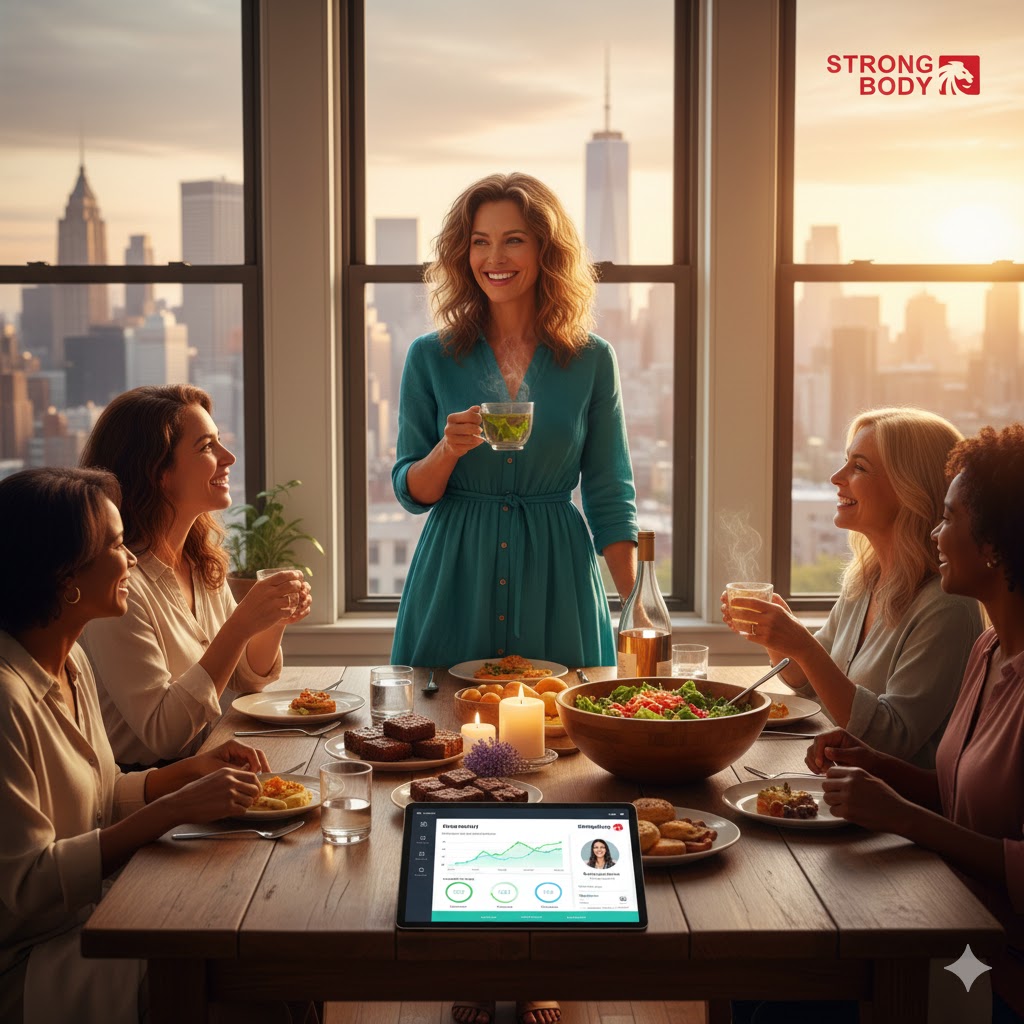
After six months, results were miraculous. Sophia’s skin glowed smoothly again from balanced nutrition; hair grew thick and healthy; sleep was deep; mood stable; weight recovered healthily. She regained inner balance, returned to work with an interior design project for a family in Bellevue, reconnected with her daughter through weekend visits and old friends via video calls. A simple trip to Lake Washington—the fresh pine scent, gentle waves, cool breeze caressing her skin—brought true rebirth. Sophia hugged her daughter: “I thought I wouldn’t make it, but now I’m alive again, honey.” Emily cried: “I’m so proud of you, Mom—you tried so hard.”
In the final consultation, Sophia shared emotionally: “Elena, you’ve given me real hope. Not just the plans, but your listening and companionship made me realize how important proactive self-care is for women like us.” Elena smiled: “Sophia, you’ve been so brave. Middle-aged women like us in modern society need self-love to be stronger.”
But Sophia’s journey didn’t end with StrongBody AI. She started joining community design classes in Seattle, meeting new colleagues like Alex, a young architect inspiring her on sustainable trends. She reconnected socially through local events like the Pike Place farmers’ market, buying fresh produce and chatting with farmers. She even tried dating apps, feeling newfound confidence. Relationships with Lisa and Emily deepened with weekend beach walks at Alki Beach. Tom became a close friend, tending a small garden together. Finances stabilized with new projects, and she began saving for a Europe trip—an unfinished dream with her husband.
The message from Sophia’s journey spreads wide: In isolation, deep connection and proactive care can save lives. Health and happiness aren’t waited for but chosen daily. But the journey continues—she still faces hormone fluctuation days, overlapping memories, societal pressures. But now, with a solid foundation from personal effort and support from StrongBody AI, Sophia knows she’ll progress further. Life is most beautiful when we learn to embrace ourselves, even when darkness once enveloped, and light still flickers ahead.
Overview of StrongBody AI
StrongBody AI is a platform connecting services and products in the fields of health, proactive health care, and mental health, operating at the official and sole address:https://strongbody.ai. The platform connects real doctors, real pharmacists, and real proactive health care experts (sellers) with users (buyers) worldwide, allowing sellers to provide remote/on-site consultations, online training, sell related products, post blogs to build credibility, and proactively contact potential customers via Active Message. Buyers can send requests, place orders, receive offers, and build personal care teams. The platform automatically matches based on expertise, supports payments via Stripe/Paypal (over 200 countries). With tens of millions of users from the US, UK, EU, Canada, and others, the platform generates thousands of daily requests, helping sellers reach high-income customers and buyers easily find suitable real experts.
Operating Model and Capabilities
Not a scheduling platform
StrongBody AI is where sellers receive requests from buyers, proactively send offers, conduct direct transactions via chat, offer acceptance, and payment. This pioneering feature provides initiative and maximum convenience for both sides, suitable for real-world health care transactions – something no other platform offers.
Not a medical tool / AI
StrongBody AI is a human connection platform, enabling users to connect with real, verified healthcare professionals who hold valid qualifications and proven professional experience from countries around the world.
All consultations and information exchanges take place directly between users and real human experts, via B-Messenger chat or third-party communication tools such as Telegram, Zoom, or phone calls.
StrongBody AI only facilitates connections, payment processing, and comparison tools; it does not interfere in consultation content, professional judgment, medical decisions, or service delivery. All healthcare-related discussions and decisions are made exclusively between users and real licensed professionals.
User Base
StrongBody AI serves tens of millions of members from the US, UK, EU, Canada, Australia, Vietnam, Brazil, India, and many other countries (including extended networks such as Ghana and Kenya). Tens of thousands of new users register daily in buyer and seller roles, forming a global network of real service providers and real users.
Secure Payments
The platform integrates Stripe and PayPal, supporting more than 50 currencies. StrongBody AI does not store card information; all payment data is securely handled by Stripe or PayPal with OTP verification. Sellers can withdraw funds (except currency conversion fees) within 30 minutes to their real bank accounts. Platform fees are 20% for sellers and 10% for buyers (clearly displayed in service pricing).
Limitations of Liability
StrongBody AI acts solely as an intermediary connection platform and does not participate in or take responsibility for consultation content, service or product quality, medical decisions, or agreements made between buyers and sellers.
All consultations, guidance, and healthcare-related decisions are carried out exclusively between buyers and real human professionals. StrongBody AI is not a medical provider and does not guarantee treatment outcomes.
Benefits
For sellers:
Access high-income global customers (US, EU, etc.), increase income without marketing or technical expertise, build a personal brand, monetize spare time, and contribute professional value to global community health as real experts serving real users.
For buyers:
Access a wide selection of reputable real professionals at reasonable costs, avoid long waiting times, easily find suitable experts, benefit from secure payments, and overcome language barriers.
AI Disclaimer
The term “AI” in StrongBody AI refers to the use of artificial intelligence technologies for platform optimization purposes only, including user matching, service recommendations, content support, language translation, and workflow automation.
StrongBody AI does not use artificial intelligence to provide medical diagnosis, medical advice, treatment decisions, or clinical judgment.Artificial intelligence on the platform does not replace licensed healthcare professionals and does not participate in medical decision-making.
All healthcare-related consultations and decisions are made solely by real human professionals and users.
Sophia Bennett Navigates Profound Grief and Burnout Before StrongBody AI
Following the sudden loss of her husband, Sophia—a high-end interior designer in Seattle—spiraled into chronic insomnia and physical decline. Her “structural failure” manifested as hair loss, digestive distress, and severe anxiety. In a city that demands self-reliance, Sophia felt alienated by automated bots and generic apps. Her cycle of isolation only broke when she turned to a platform designed to foster real human connections for complex health needs.
Human-to-Human Connection Defines the StrongBody AI Experience
The turning point arrived when Sophia matched with Dr. Elena Morales, a specialist who understood the intersection of grief and hormonal health. Unlike cold algorithms, StrongBody AI acted as a bridge to a real expert who could listen holistically. Elena helped Sophia understand that her physical symptoms were tied to her hormone cycles and emotional trauma. Through B-Messenger, they developed a personalized plan—including nutrition, breathing exercises, and specialized lab tracking—restoring Sophia’s trust in professional guidance.
Personal Effort and Community Reintegration are Fueled by StrongBody AI
While the platform provided the clinical “scaffolding,” Sophia’s own agency was the true catalyst for her rebirth. Encouraged by her care team, she pushed through her fear of crowds to join community hikes and reconnected with friends and family. This combination of StrongBody AI‘s expert oversight and Sophia’s persistence led to a complete physical and emotional transformation, proving that proactive self-care is a daily choice that leads to sustainable happiness.
