

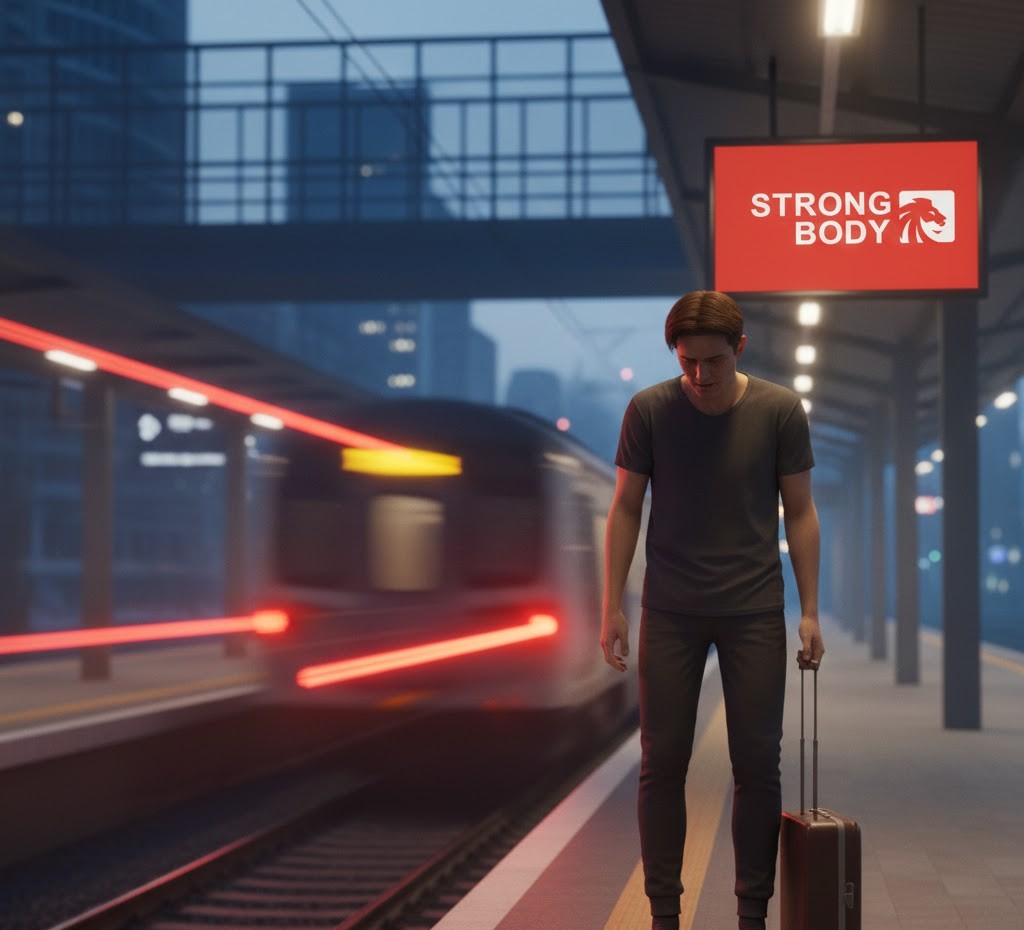
In the high-rise apartment in San Francisco’s Nob Hill district, California, the sound of the sea wind whistled through the large glass windows, carrying the salty tang from the Bay that seeped into the cramped space. The dim glow of an LED desk lamp cast light on the face of Sophia Ramirez, a 48-year-old freelance marketing manager, who sat curled up on a cracked leather chair, wrapped tightly in a thin, faded wool shawl worn by years. The cold, damp evening fog enveloped everything, blending with the bitter scent of black coffee from a chipped ceramic mug on the oak table, and her heavy sighs echoed like distant waves crashing. Sophia had once been a dynamic middle-aged woman with a radiant smile and creative marketing campaigns that made Silicon Valley startups shine. But now, she was just a faint shadow of herself—isolated and exhausted. Three years ago, the company where she worked suddenly went bankrupt due to the economic downturn, robbing her of her senior management position, stable income, and the network she had built over 20 years. She felt thrown into an abyss of unwanted change, where everything was uncertain and terrifying. Yet, amid the cluttered papers on the table, an old calendar caught her eye, with a note in her own handwriting from a few years back: “Dream of a new future.” It sparked a tiny ray of hope that maybe there was still a way to overcome her fear and start over.
The origin of her decline traced back to three years ago when Sophia received the bankruptcy notice from the tech company she had dedicated herself to. As an independent woman in San Francisco—the city of startup dreams and fierce competitive pressure—Sophia had once prided herself on her cultural sensitivity, with her Mexican-American roots, always balancing freelance work and a vibrant social life. But that loss shattered everything. She began avoiding networking meetings; instead of attending lively events in the Mission District, she now just stayed home with her laptop, scrolling through job listings without daring to apply. Staying up late became a habit, the computer screen lighting the room until the wee hours, leaving her eyes red and her body fatigued. Exercise? She forgot about the winding hilly paths in Nob Hill where she used to jog every morning with the cool sea breeze. Socially, she avoided friends, turning down coffee invitations at the familiar Peet’s, gradually isolating herself in a private world full of fear of change. “I’m not myself anymore,” Sophia would whisper to herself, the feeling of failure spreading like the city’s thick fog, obscuring all the joy she once had, replaced by fear of moving forward and reluctance to build new plans for the future. The broader social context made her situation even worse. In the post-COVID-19 era, middle-aged women in America, especially those from minority backgrounds like Sophia, faced unemployment rates more than double that of men, according to a 2023 report from the U.S. Department of Labor. The global economic recession had pushed millions of women out of the workforce, burdened with the dual responsibilities of family care and career maintenance. San Francisco, the symbol of tech innovation, was a place witnessing severe gender disparities in the industry, where women held only 25 percent of leadership positions, per a McKinsey survey. Cultural pressures from the Latinx community, where women are often expected to be strong and self-reliant, made Sophia feel ashamed to admit failure, leading to even deeper isolation.
Challenges piled up like the endless layers of fog in San Francisco’s winter. Physically, Sophia was depleted; chronic insomnia left her so exhausted that she relied on caffeine to stay alert, resulting in handfuls of hair loss and dull, dry skin under hastily applied moisturizer. She lost weight uncontrollably, her favorite office dress now hanging loosely, making her self-conscious every time she looked in the steamy bathroom mirror. Mentally, it was worse: anxiety surged every night, she snapped at freelance partners over email, and mild depressive episodes left her crying alone in the living room, the sound of cable cars echoing from California Street mixing with her tears. Especially hard to adapt to change, she feared moving forward; every new plan idea, like taking an online digital marketing course, was pushed aside by hesitation and the feeling that she’d fail again. Sophia tried seeking help. She experimented with psychology chatbots on apps, but the mechanical responses like “Make a list of goals” disappointed her for lacking real empathy. Online planning exercises on YouTube—she followed for a few days then gave up, feeling no one understood her deep fear of uncertainty. Other health apps were too generic, not suited to the mindset of middle-aged women facing career changes. Social connections crumbled; friends drifted away because she always declined, her trust in people eroded after the bankruptcy, feeling everyone only cared about surface-level success. Tight finances from unstable freelance work made long-term therapy a distant dream, especially in the high-cost Bay Area. “I have to handle it myself,” Sophia thought, but the more she tried, the deeper she sank into isolation, her fear of moving forward shattering every new plan right from the idea stage. In broader American society, the mental health issues of middle-aged women were becoming a silent crisis, with over 40 percent reporting depressive symptoms, according to the American Psychological Association in 2024. The increasing pressure from social media, where images of successful women are idealized, made people like Sophia feel more out of place and lonely than ever. Especially in the Mexican-American community, where machismo culture lingers subtly, women often hide their vulnerabilities, leading to help-seeking rates 30 percent lower than other groups.
Then, the turning point came unexpectedly. On a foggy afternoon, while scrolling LinkedIn on her phone amid posts about startup successes, Sophia spotted an ad for StrongBody AI, a platform connecting real healthcare experts with users. Not a cold chatbot, but a true bridge between people. Curious, she clicked and through it connected with Dr. Mia Thompson, an American psychologist from Seattle, Washington, specializing in mental health for middle-aged women facing career changes. The first video call consultation surprised Sophia. Dr. Thompson listened comprehensively—not just to mental symptoms like fear of moving forward, but also to physical health, lifestyle, and social relationships. “Sophia, change is scary, but we’ll build a plan step by small step to make you more confident,” Dr. Thompson said gently, her warm voice coming through the screen. The difference was stark compared to previous automated tools. StrongBody AI wasn’t just a platform; it was a real bridge helping Sophia meet experts who truly understood her. Trust built gradually through the simple interface, Dr. Thompson’s gentle voice, personalized tracking journals in the app, and plans adjusted to hormonal cycles—something no prior app had considered. However, StrongBody AI had technical limitations, like requiring stable internet in Nob Hill, where WiFi signals were often weak due to the hilly terrain and thick fog, causing occasional video call interruptions that forced Sophia to switch to text chat. Additionally, the automatic language translation feature sometimes wasn’t accurate with specialized psychological terms, requiring re-explanations in some sessions, and the platform didn’t support in-person meetings, fully depending on the expert’s schedule, making Sophia sometimes wait a few days for the next appointment.
The recovery journey began arduously with small changes. Dr. Thompson advised Sophia to drink enough water daily, starting with a warm cup of chamomile tea in the morning, its gentle aroma spreading to help her relax. Practice deep breathing for 10 minutes before bed, go to sleep earlier with a notebook by the bed to write out fears of change. Eat a full breakfast: a ripe blueberry with granola instead of skipping meals. But relapses happened; some days Sophia was tired and reverted to staying up late, reluctant to make new plans out of fear of failure, crying over memories of her old job. At those times, a late-night message from Dr. Thompson via StrongBody AI arrived just in time: “Sophia, your hormones are fluctuating; let’s adjust the plan with small goals, like applying for one job a week.” She joined virtual support groups on the platform where other American women shared stories of career changes, creating a sense of connection. The journey wasn’t linear; some days she smiled completing exercises like making short-term goal lists, other days she cried from financial pressure, but she was always accompanied. “You’re not alone,” Dr. Thompson said in one call. “This journey is about accepting change and progressing step by step.” A key event in the journey was a virtual workshop on middle-aged women’s mental health organized by StrongBody AI in the second month, with over 50 participants from across the U.S. Sophia voluntarily shared her story in front of the virtual crowd, her voice trembling: “I used to be so afraid of change that I didn’t dare step out of the house, but thanks to support from Dr. Thompson and daily efforts like writing emotional journals, I’m learning to face it.” The virtual applause and feedback from participants like “Thank you for inspiring us” helped Sophia realize her personal efforts were the key, while StrongBody AI was just the catalyst for connections. Her sister Elena from Los Angeles, a high school teacher, video-called after the workshop: “Sweetie, you’ve done it! I’m so proud of you.” That dialogue ignited motivation, making Sophia more persistent.
An unexpected twist occurred in the third month. While trying to apply for a new position, Sophia suddenly had an extreme panic attack accompanied by severe headache and surging anxiety—signs of a mental crisis combined with fear of adaptation. Panicking, her hands shaking as she held the phone, feeling like the world was collapsing. Through StrongBody AI, she connected immediately with Dr. Thompson, who quickly guided deep breathing and advised a medical check: “Sophia, this could be signs of perimenopause combined with stress, but we’ll get through it,” Dr. Thompson reassured. Thanks to the platform, Sophia was introduced to another expert, health coach Ms. Julia Kim from New York, who helped build a new career plan with relaxation exercises. The timely support helped Sophia overcome it, avoiding serious complications. “If not for this connection, I don’t know what would have happened to me,” Sophia told her sister over a call. “Elena, you need more rest. Come visit me in LA.” That sister visit became the second event in the journey. Sophia drove along the Pacific Coast Highway, the salty sea wind blowing through her hair. At Elena’s house in Pasadena, the two sisters sat on the porch drinking herbal tea, talking through the night. “I’m afraid of change because I think I’m too old, Elena, but what do you think?” Elena hugged her sister: “It’s never too late, sis. I divorced at 45 and now I’m happier than ever.” That dialogue, combined with advice from Ms. Kim like “Start by writing a new CV day by day,” helped Sophia realize personal efforts—like driving to overcome her fear of long roads—were decisive. StrongBody AI was just supportive motivation pushing her to act.
Adding a secondary character: Lisa, an old college friend, a graphic designer in Oakland who had worked on campaigns with Sophia. Lisa called after seeing Sophia’s LinkedIn post about her recovery journey: “Sophia, you okay? I’ve been worried about you.” That conversation led to a meeting at a coffee shop in Berkeley, where Lisa shared: “I lost my job last year too, but joining community groups helped me get through. You should try it.” Thanks to that advice, Sophia attended a local networking event in the Mission District, where she met other entrepreneurial women. The event, with presentations on adapting to change, became a milestone. Sophia voluntarily stood up to share her personal experience. The crowd’s laughter and applause helped her regain confidence, proving her social participation efforts, combined with StrongBody AI support like reminder messages from Dr. Thompson—”Be proud of yourself”—were the key to progress. However, the platform’s limitations showed when offline events weren’t directly supported, forcing Sophia to arrange her own schedule, and sometimes facing issues with the expert matching feature not being 100 percent accurate, leading to one mismatched connection that required a change request.
After six months, the results were clear. Sophia’s skin glowed brighter thanks to Ms. Kim’s nutrition regimen: fresh salads with organic veggies, the aroma of basil wafting through the kitchen. She slept soundly, her mood stable, regaining balance without reluctance to plan. Work returned to rhythm with new freelance contracts from a Silicon Valley startup, and she reconnected with family, video-calling her sister in Los Angeles: “Sis, I’m learning to move forward.” A small reunion in Golden Gate Park—Sophia invited a few old friends to sit on the lush green grass for a picnic with fresh fruit, laughing under the spring sun. A short trip to Napa Valley evoked a sense of rebirth, the wind through the vineyards carrying the sweet scent of wine; she felt life returning. “Dr. Thompson, StrongBody AI saved me by connecting me with people who truly care,” Sophia shared in the final consultation. Dr. Thompson smiled: “Sophia, the power lies in you proactively caring for yourself; that’s the key to women’s happiness.” She emphasized the meaning of proactive women’s health and happiness care—not waiting, but seeking professional support. The universal message spread: In isolation, deep connections and proactive care can save lives. Sophia was now living proof—from exhaustion to renewal, from isolation to connection.
But the journey didn’t stop there. The end wasn’t a final point but an expansion into other aspects of life. Sophia began pursuing watercolor painting at a local studio in Nob Hill, where she met her neighbor, an elderly Italian man named Marco, who shared stories of adapting to old age. Conversations with Marco, like “Paint what your heart tells you,” helped her find creative joy beyond work. Her relationship with Elena deepened with regular visit plans and joining traditional Mexican cooking classes to connect with their cultural roots. Work was more stable, but she still volunteered at a Latinx community center in San Francisco, helping young women face changes, proving her social progress. Mentally, she continued daily journaling, recording small achievements like completing a new marketing campaign or simply jogging along the Bay without fear. However, the journey continued with challenges like persistent economic pressure and middle-age health worries, making her realize the need for long-term perseverance. StrongBody AI remained a support, but now she was more confident, knowing the real strength lay in herself and her surrounding network. She whispered by the window, looking at the fog: “Inner harmony starts with listening to yourself and daring to move forward; this journey will be long, but I’m ready.”
Overview of StrongBody AI
StrongBody AI is a platform connecting services and products in the fields of health, proactive health care, and mental health, operating at the official and sole address: https://strongbody.ai. The platform connects real doctors, real pharmacists, and real proactive health care experts (sellers) with users (buyers) worldwide, allowing sellers to provide remote/on-site consultations, online training, sell related products, post blogs to build credibility, and proactively contact potential customers via Active Message. Buyers can send requests, place orders, receive offers, and build personal care teams. The platform automatically matches based on expertise, supports payments via Stripe/Paypal (over 200 countries). With tens of millions of users from the US, UK, EU, Canada, and others, the platform generates thousands of daily requests, helping sellers reach high-income customers and buyers easily find suitable real experts.
Operating Model and Capabilities
Not a scheduling platform
StrongBody AI is where sellers receive requests from buyers, proactively send offers, conduct direct transactions via chat, offer acceptance, and payment. This pioneering feature provides initiative and maximum convenience for both sides, suitable for real-world health care transactions – something no other platform offers.
Not a medical tool / AI
StrongBody AI is a human connection platform, enabling users to connect with real, verified healthcare professionals who hold valid qualifications and proven professional experience from countries around the world.
All consultations and information exchanges take place directly between users and real human experts, via B-Messenger chat or third-party communication tools such as Telegram, Zoom, or phone calls.
StrongBody AI only facilitates connections, payment processing, and comparison tools; it does not interfere in consultation content, professional judgment, medical decisions, or service delivery. All healthcare-related discussions and decisions are made exclusively between users and real licensed professionals.
User Base
StrongBody AI serves tens of millions of members from the US, UK, EU, Canada, Australia, Vietnam, Brazil, India, and many other countries (including extended networks such as Ghana and Kenya). Tens of thousands of new users register daily in buyer and seller roles, forming a global network of real service providers and real users.
Secure Payments
The platform integrates Stripe and PayPal, supporting more than 50 currencies. StrongBody AI does not store card information; all payment data is securely handled by Stripe or PayPal with OTP verification. Sellers can withdraw funds (except currency conversion fees) within 30 minutes to their real bank accounts. Platform fees are 20% for sellers and 10% for buyers (clearly displayed in service pricing).
Limitations of Liability
StrongBody AI acts solely as an intermediary connection platform and does not participate in or take responsibility for consultation content, service or product quality, medical decisions, or agreements made between buyers and sellers.
All consultations, guidance, and healthcare-related decisions are carried out exclusively between buyers and real human professionals. StrongBody AI is not a medical provider and does not guarantee treatment outcomes.
Benefits
For sellers:
Access high-income global customers (US, EU, etc.), increase income without marketing or technical expertise, build a personal brand, monetize spare time, and contribute professional value to global community health as real experts serving real users.
For buyers:
Access a wide selection of reputable real professionals at reasonable costs, avoid long waiting times, easily find suitable experts, benefit from secure payments, and overcome language barriers.
AI Disclaimer
The term “AI” in StrongBody AI refers to the use of artificial intelligence technologies for platform optimization purposes only, including user matching, service recommendations, content support, language translation, and workflow automation.
StrongBody AI does not use artificial intelligence to provide medical diagnosis, medical advice, treatment decisions, or clinical judgment.Artificial intelligence on the platform does not replace licensed healthcare professionals and does not participate in medical decision-making.
All healthcare-related consultations and decisions are made solely by real human professionals and users.
StrongBody AI Bridging the Gap in Mental Health Support for Diverse Professional Women
Sophia’s story illustrates a critical crisis: according to 2024 APA data, over 40% of middle-aged American women report depressive symptoms, with help-seeking rates among the Latinx community being 30% lower due to cultural stigma. StrongBody AI serves as a vital bridge, connecting users with experts like Dr. Mia Thompson who understand these specific cultural and gender-based nuances. By prioritizing real human interaction over mechanical AI responses, the platform ensures that women facing high-pressure environments—like San Francisco’s tech sector where women hold only 25% of leadership roles—receive the empathy and clinical depth required for genuine recovery.
Personalized Biological and Lifestyle Roadmaps are Central to the StrongBody AI Experience
Physical depletion, including chronic insomnia and weight loss, often mirrors internal mental struggles. Through StrongBody AI, Sophia accessed specialized guidance that integrated nutritional changes, sleep hygiene, and hormonal health tracking.
This proactive care model addressed the symptoms of perimenopause alongside career stress, providing Sophia with “biological anchors” to stabilize her mood. By using data-driven journals and personalized plans, the platform empowers users to transition from being overwhelmed by change to managing it through small, actionable daily steps, such as optimized nutrition and deep-breathing protocols.
Proactive Social Reconnection and Career Resilience are Cultivated via StrongBody AI Ecosystem
Beyond clinical support, StrongBody AI fosters community through virtual workshops and support groups, helping users realize they are not alone. For Sophia, participating in a nationwide workshop was the catalyst for rebuilding her social confidence and returning to her freelance marketing career. The platform’s secure infrastructure, utilizing Stripe and PayPal, allows for safe, transparent transactions with global experts across 200 countries. This ecosystem proves that while the platform provides the necessary tools and connections, the ultimate power for a life-saving transformation lies in the user’s proactive choice to seek professional, human-led support.
