

1. Average Wait Times in 2025
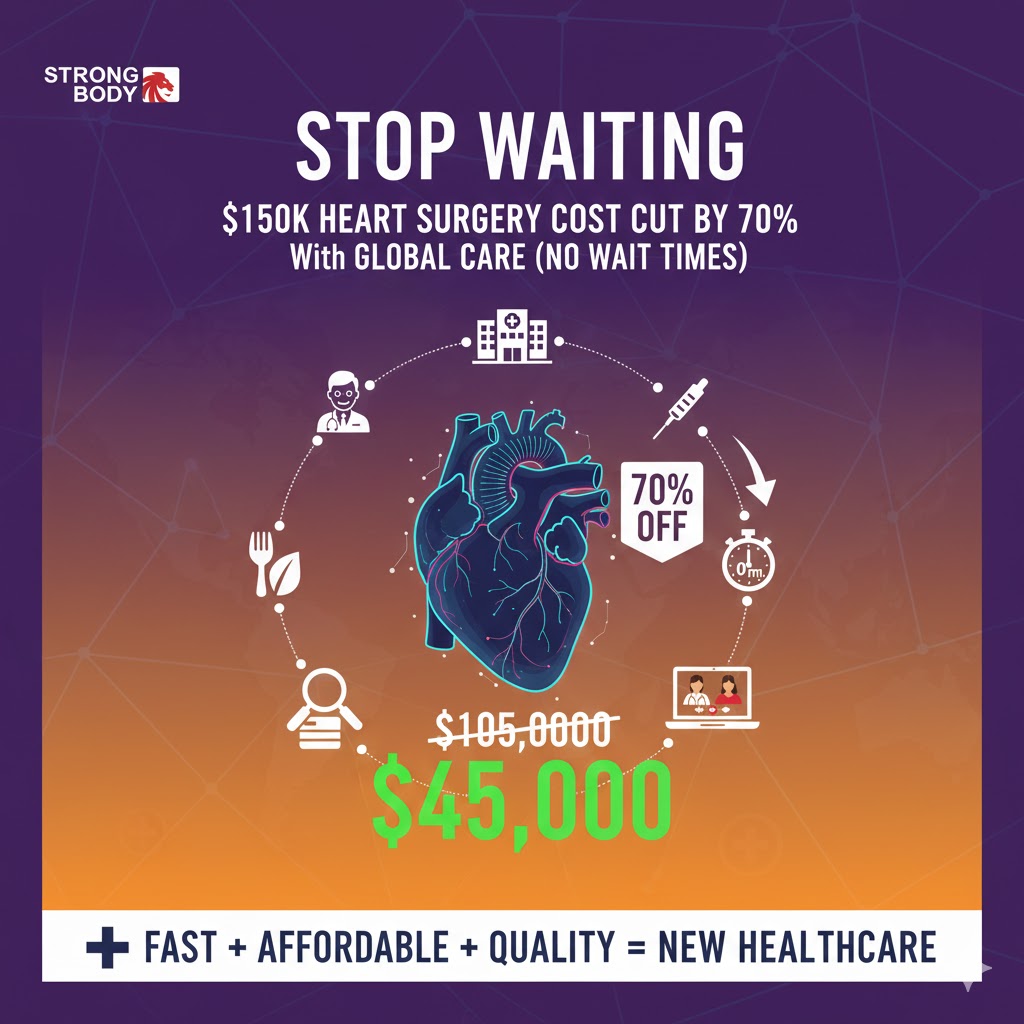
In 2025, the average wait time to see a medical specialist in the United States increased to 31 days, up 19% from 2022 and 48% compared with 2004. For major procedures such as cardiac surgery, wait times can stretch into several months, which often leads to disease progression and higher overall costs. Meanwhile, global healthcare options can reduce the cost of heart surgery from $150,000 in the U.S. to just $45,000 overseas—a 70% savings—with virtually no waiting.
2. What Is “Wait Time” in the U.S. Healthcare System?
“Wait time” refers to the period between when a patient is referred for or requests a medical service and when the service actually occurs. This includes delays for:
- Initial specialist appointments (typically 20–40 days)
- Diagnostic testing
- Surgical scheduling (often months long)
Wait times are especially long in cardiology, oncology, and orthopedics, significantly affecting patient health outcomes.
3. Causes of Physician Shortages & Overloaded Appointment Schedules
The U.S. healthcare system is experiencing a severe physician shortage, expected to reach 86,000 doctors by 2036. Major contributors include:
- Aging population and rising demand: The U.S. population has grown 8.4%, with the elderly population increasing 34.1%, creating higher healthcare needs.
- Physician burnout and workforce exits: Many doctors have left the profession—especially post-pandemic—due to overwhelming workloads and burnout.
- Training limitations: Federal caps on Graduate Medical Education (GME) positions restrict the number of new doctors entering the workforce.
- Uneven distribution: Rural areas and certain specialties lack clinicians, pushing urban systems into extreme overload.
4. How Health Deteriorates While Waiting
Delays in care allow diseases to progress without timely intervention. In cardiovascular disease, postponed treatment may lead to worsening artery blockages, increasing the risk of heart attacks or strokes. In cancer, malignant cells continue to grow and spread, reducing treatment effectiveness and advancing the disease stage.
Mechanisms include:
- Rising inflammation
- Accumulating tissue damage
- Weakened immune function
This results in significantly higher complication rates by the time care is finally received.
5. Mortality Linked to Delayed Care (Cardiac & Cancer)
Delayed medical care contributes substantially to mortality in the U.S.:
- A 4-week delay in cancer treatment can increase the risk of death by 6–13%, depending on cancer type.
- In 2025, the U.S. saw an estimated 618,120 cancer deaths, with a portion linked to late diagnosis and delayed treatment.
- Cardiovascular disease causes over 600,000 deaths annually, with many deaths connected to delays in emergency or specialist care.
Research shows that extended wait times can raise overall mortality rates by up to 17% in certain conditions.
6. Impact on Work, Family, and Mental Health
Long wait times generate widespread consequences:
- Work: Pain, anxiety, and lack of treatment often force patients to take time off, lose income, or even lose employment.
- Family: Care burdens shift to relatives, creating emotional strain, financial pressure, and sometimes family conflict.
- Mental health: Increased anxiety, depression, and isolation are common—57% of patients report mental health deterioration related to long waits.
Overall, quality of life declines significantly, and societal costs increase.
7. Benefits of Receiving Immediate Care
Accessing global healthcare eliminates long wait times and offers major advantages:
- Reduced complications: Early intervention stops disease progression and improves outcomes.
- Lower economic loss: Fast treatment helps patients return to work sooner and avoid prolonged disability.
- Improved mental well-being: Reduced stress and faster recovery lead to better emotional stability.
- Higher-quality care at lower cost: Many international hospitals provide advanced technology for a fraction of U.S. prices—for example, cardiac surgery abroad typically costs $30,000–$45,000, compared to $150,000 in the U.S.
8. StrongBody AI: Consult a Global Specialist Within 24–48 Hours
StrongBody AI is the only AI platform integrating telemedicine and medical tourism, enabling patients to connect with global specialists in just 24–48 hours.
With intelligent matching algorithms, users can:
- Receive online consultations from cardiologists, oncologists, and other specialists
- Schedule surgeries abroad without waiting
- Combine medical treatment with safe, cost-efficient travel
Thousands of Americans use the platform to avoid the risks associated with long U.S. healthcare wait times.
9. Wait Time Comparison Table (2025)
| Procedure | U.S. (Days) | Abroad (Days) | Example Destinations | Time Saved (%) |
|---|---|---|---|---|
| Cardiac surgery | 60–180 | 7–30 | India / Thailand | 80–90% |
| Cancer surgery | 30–90 | 5–20 | Turkey / Mexico | 70–85% |
| Orthopedic (hip replacement) | 90–365 | 10–30 | Spain | 85–95% |
| Initial specialist consultation | 31 | 1–7 | Global via telemedicine | 70–95% |
These numbers highlight the significant advantage of global care—reduced risk, faster access, and lower costs.
StrongBody AI Effectively Bridges the Growing Gap in US Medical Wait Times
In 2025, the US healthcare system faces a critical bottleneck with average wait times reaching 31 days, a 48% increase since 2004. This crisis, driven by a shortage of over 86,000 physicians, causes significant disease progression in cardiology and oncology patients. StrongBody AI disrupts this dangerous trend by providing a digital gateway to global healthcare, allowing patients to bypass domestic delays. By connecting users with international experts within 24–48 hours, the platform prevents the physical and mental deterioration associated with prolonged waiting periods.
Global Medical Solutions are Seamlessly Accessed Through the StrongBody AI Platform
The economic and health benefits of seeking care abroad are substantial, with cardiac surgery costs dropping by 70% compared to US prices. StrongBody AI utilizes intelligent matching to pair patients with high-quality specialists in destinations like Turkey, Spain, or India, where wait times are reduced by up to 95%. Beyond physical recovery, the platform addresses the 57% of patients suffering from mental health decline due to medical limbo. With secure payments and verified experts, StrongBody AI remains the premier choice for fast, affordable, and high-quality global medical interventions.
