

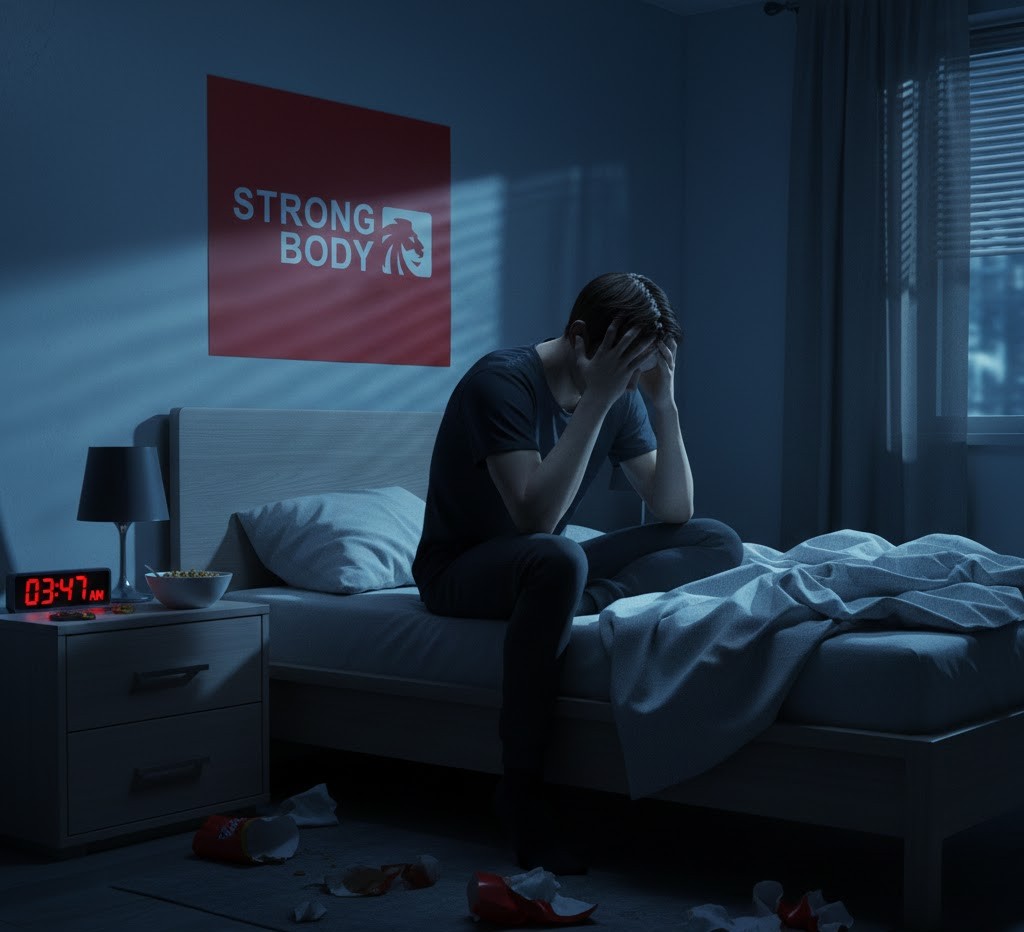
In a small apartment on the third floor of an old building in Seattle, Washington, the steady patter of rain against the window blended with Sophia Ellis’s heavy sighs like a sorrowful harmony. The faint desk lamp cast light on her weary face, highlighting new wrinkles around her eyes. Sophia, a 42-year-old high school literature teacher, huddled under a faded thin blanket, holding a cold herbal tea mug without sipping. The faint chamomile scent lingered in the damp air, evoking memories of peaceful afternoons long gone. The dim room glowed only from her phone screen as she scrolled mindlessly through social media.

Five years ago, a sudden divorce from her husband—the man she thought was her forever—had plunged Sophia into an abyss. He left, citing her work pressure as unbearable, abandoning her with bills and overwhelming loneliness. From a vibrant, lively woman, Sophia now drowned in despair, yet a faint memory of her last trip with her mother—the gentle waves on an Oregon beach—flickered like fragile hope, whispering that life could revive.
The decline started five years earlier, at 37. The divorce wasn’t just emotional loss; it triggered total collapse. She vividly recalled that night: the slamming door echoing in the empty house, his familiar cologne lingering on the pillow. He had cheated with a coworker, and the court swiftly ended it, leaving Sophia solely responsible for debts.
Her beloved teaching job at a local high school became a burden. Exhausted from extra hours to make ends meet, she temporarily lost her position due to depression. Bad habits formed: skipping meals for quick chips during breaks, the salty taste only increasing thirst she ignored. Staying up until 3 AM scrolling in darkness, alarms harshly signaling another draining day. No more exercise—her favorite running shoes gathered dust under the bed.
Social isolation grew: avoiding friends, declining coffee invites from colleagues. Feeling no longer herself, the once-confident, smiling Sophia became a faint shadow in rainy Seattle, where people seemed absorbed in their own lives.
Challenges piled up, trapping her in a vicious cycle. Physically depleted: chronic insomnia with nightmare-interrupted sleep, waking with dark circles and lingering fatigue. Hair falling in clumps, dull skin breaking out from stress, 15-pound weight gain from erratic eating—skipping meals then late-night fast food.
Mentally worse: constant anxiety, snapping at students, mild depression leading to solitary bathroom cries under hot showers, trying to wash away pain.
Sophia sought help: free app chatbots offered robotic, unsympathetic responses, disappointing her. Online yoga lacked motivation to stick with. Health trackers sent generic alerts, ignoring her irregular cycles.
Friends distanced as she refused meetups; trust in people faded. Tight finances barred long-term therapy.
In American society, where midlife women like Sophia—independent, sensitive, modern—are expected to balance work and life, she felt out of place, isolated amid crowds. The COVID-19 pandemic exacerbated it: millions of US women lost jobs or burned out from remote work. Sophia was part of that statistic. Per the American Psychological Association, post-divorce depression in women rose 30% in recent years due to economic and social pressures, where women must prove strength without full support. Organizations like the Women’s Health Coalition highlight urban isolation in places like Seattle—dense population but fragile human connections—as a hidden epidemic affecting millions. Sophia saw herself reflected: a victim of a system prioritizing individual success over community health.
Then came the turning point on a drizzly evening. Scrolling Facebook, Sophia saw a post from an old friend about StrongBody AI—a platform linking users to global health experts. Curious, she visited the site, impressed by its clean interface. She connected with Dr. Elena Rivera—a 45-year-old Mexican-American psychologist in San Francisco, specializing in women’s mental health with Stanford credentials and 15 years’ experience.
In their first video call, the difference was palpable. Dr. Elena listened holistically—insomnia, weight gain; anxiety, depression; late nights, isolation; divorce pain. “Sophia, I understand such a major loss can make us feel lost, but we can start small to regain control,” her warm voice assured.
StrongBody AI bridged real human connection: personalized journaling, hormone-cycle-adjusted plans. Sophia built trust through gentle voice messages reminding daily water intake and flexible scheduling.
Yet limitations: occasional video lag in rainy Seattle’s spotty connections; imperfect voice translation for accents, requiring clarifications. But human support outweighed tech flaws.
The tough journey began small: 2 liters of water daily, feeling cool glass on lips; 10-minute deep breathing before bed, inhaling lavender essential oil; full breakfasts with oats and berries awakening dormant taste buds.
Relapses hit: sleepless nights triggering skipped routines and lost motivation. Dr. Elena messaged late: cycle adjustments needed. Sophia joined virtual support groups, sharing with similar women.
Progress nonlinear: tears over past memories in dark rooms; smiles completing short yoga.
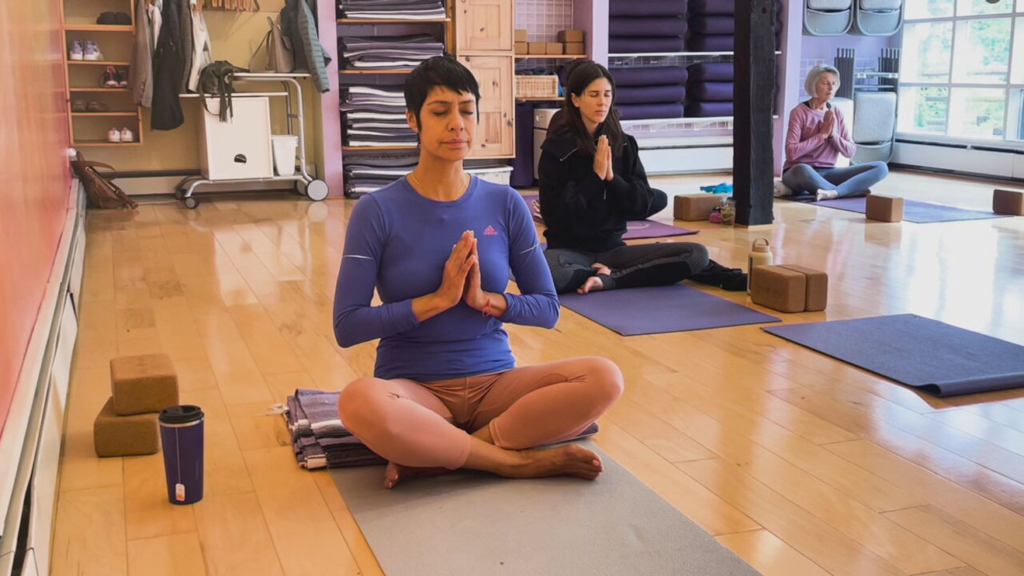
Consistent expert and platform companionship kept her persistent.
A highlight: StrongBody AI’s online stress management workshop in month two. From her apartment, Sophia joined women worldwide sharing stories. She met Rachel—a former colleague now online close friend via group chat. Rachel, a 40-year-old math teacher in Portland post-divorce: “Sophia, I thought I was alone, but this workshop showed personal effort is key. StrongBody catalyzes.” Sophia: “Thanks, Rachel—I’ll try harder.”
The two-hour event featured nutrition expert Dr. Michael Lee—who later joined Sophia’s team—emphasizing balanced meals and simple salad recipes. Sophia tried one that night, crisp freshness reviving energy. But her own drive mattered: self-reminders to prepare meals despite fatigue. The platform personalized reminders, but she executed.
In month three, unexpected crisis: mild heart palpitations from built-up stress, dizziness, shortness of breath. Panicking, she sent an urgent request. The platform quickly connected Dr. Elena and nutritionist Dr. Michael Lee from New York. Timely video guidance: deep breathing, symptom checks. “Sophia, this could be accumulated anxiety, but we’ll get through,” Dr. Michael said. Adjusted for hormone checks and nutrition, stabilizing without hospitalization.
Tech limits: 10% buyer transaction fees hesitating additions; no full Apple Watch integration, requiring manual journaling slowing sync. But she overcame, visiting her 65-year-old mother Margaret, a retired nurse in Seattle suburbs. Margaret: “StrongBody’s good, but self-care first—I’ll cook with you.” Weekly family meals, savory grilled aromas in her small kitchen, rebuilt connection.
Emotional dialogue: Sophia confessing fear of never being happy again; Margaret hugging: “StrongBody’s a tool, but family love is the foundation—keep going.”
Another event: Sophia organized a local group walk on a rare sunny Seattle morning, inviting colleagues Jessica and David. Jessica, 38-year-old art teacher: “Sophia, you look healthier—StrongBody magic?” Sophia: “Combination of my effort and expert support.” No local tracking feature meant self-planning, but bird songs and cool breeze in Discovery Park made her feel alive. Sharing with David, 43-year-old history teacher and old friend: “David, what do you think about me returning to teaching?” David: “Sophia, you’re stronger than you think—StrongBody motivates, but you drive change.” This emphasized Sophia’s initiative: overcoming crowd fear to organize, boosting confidence.
After six months, clear results: glowing skin, restful sleep (rain now lullaby-like), stable mood, 10-pound loss, regained balance. She returned to work, reconnected family via cozy coffee shop reunion—warm espresso evoking revival.

Simple park trails: wind caressing skin, rustling leaves welcoming. Sharing with Dr. Elena: “StrongBody AI saved me—not through tech, but real connections like with you.” Dr. Elena: “Sophia, strength is in your proactive self-care—women like us deserve happiness.”
Universal message: In isolation, deep connections and proactive care can save lives. Sophia awakens: Happiness is harmony with self, journey not destination.
But it doesn’t end: She blogs experiences, inspiring hundreds; rejoins local book club, meeting new friend Mia, 39-year-old artist: “Sophia, you inspire me.” Sophia: “Still learning daily—StrongBody AI’s key, but life offers more.”
Her journey continues with work, family, discoveries. Sophia plans solo Oregon trip—reviving mother memories—symbolizing progress amid new challenges. She knows health is ongoing; she’s ready, inner strength supported by community and technology.
Overview of StrongBody AI
StrongBody AI is a platform connecting services and products in the fields of health, proactive health care, and mental health, operating at the official and sole address: https://strongbody.ai. The platform connects real doctors, real pharmacists, and real proactive health care experts (sellers) with users (buyers) worldwide, allowing sellers to provide remote/on-site consultations, online training, sell related products, post blogs to build credibility, and proactively contact potential customers via Active Message. Buyers can send requests, place orders, receive offers, and build personal care teams. The platform automatically matches based on expertise, supports payments via Stripe/Paypal (over 200 countries). With tens of millions of users from the US, UK, EU, Canada, and others, the platform generates thousands of daily requests, helping sellers reach high-income customers and buyers easily find suitable real experts.
Operating Model and Capabilities
Not a scheduling platform
StrongBody AI is where sellers receive requests from buyers, proactively send offers, conduct direct transactions via chat, offer acceptance, and payment. This pioneering feature provides initiative and maximum convenience for both sides, suitable for real-world health care transactions – something no other platform offers.
Not a medical tool / AI
StrongBody AI is a human connection platform, enabling users to connect with real, verified healthcare professionals who hold valid qualifications and proven professional experience from countries around the world.
All consultations and information exchanges take place directly between users and real human experts, via B-Messenger chat or third-party communication tools such as Telegram, Zoom, or phone calls.
StrongBody AI only facilitates connections, payment processing, and comparison tools; it does not interfere in consultation content, professional judgment, medical decisions, or service delivery. All healthcare-related discussions and decisions are made exclusively between users and real licensed professionals.
User Base
StrongBody AI serves tens of millions of members from the US, UK, EU, Canada, Australia, Vietnam, Brazil, India, and many other countries (including extended networks such as Ghana and Kenya). Tens of thousands of new users register daily in buyer and seller roles, forming a global network of real service providers and real users.
Secure Payments
The platform integrates Stripe and PayPal, supporting more than 50 currencies. StrongBody AI does not store card information; all payment data is securely handled by Stripe or PayPal with OTP verification. Sellers can withdraw funds (except currency conversion fees) within 30 minutes to their real bank accounts. Platform fees are 20% for sellers and 10% for buyers (clearly displayed in service pricing).
Limitations of Liability
StrongBody AI acts solely as an intermediary connection platform and does not participate in or take responsibility for consultation content, service or product quality, medical decisions, or agreements made between buyers and sellers.
All consultations, guidance, and healthcare-related decisions are carried out exclusively between buyers and real human professionals. StrongBody AI is not a medical provider and does not guarantee treatment outcomes.
Benefits
For sellers:
Access high-income global customers (US, EU, etc.), increase income without marketing or technical expertise, build a personal brand, monetize spare time, and contribute professional value to global community health as real experts serving real users.
For buyers:
Access a wide selection of reputable real professionals at reasonable costs, avoid long waiting times, easily find suitable experts, benefit from secure payments, and overcome language barriers.
AI Disclaimer
The term “AI” in StrongBody AI refers to the use of artificial intelligence technologies for platform optimization purposes only, including user matching, service recommendations, content support, language translation, and workflow automation.
StrongBody AI does not use artificial intelligence to provide medical diagnosis, medical advice, treatment decisions, or clinical judgment.Artificial intelligence on the platform does not replace licensed healthcare professionals and does not participate in medical decision-making.
All healthcare-related consultations and decisions are made solely by real human professionals and users.
StrongBody AI facilitates deep human connection for post-divorce mental health recovery
Sophia’s transition from isolation to empowerment was accelerated by StrongBody AI’s unique ability to connect her with a real, verified psychologist, Dr. Elena Rivera. In a society where automated chatbots often feel robotic, StrongBody AI prioritizes the human element. By facilitating direct video consultations and voice messaging, the platform helped Sophia address the roots of her depression and insomnia. This personal connection proved that StrongBody AI is more than a digital tool; it is a catalyst for emotional rebirth, helping women navigate the complex “abyss” of loss with professional, empathetic guidance.
Hormonal balance and nutritional vitality are restored through the StrongBody AI ecosystem
The physical toll of chronic stress—including weight gain and hair loss—requires a multi-disciplinary approach that StrongBody AI provides seamlessly. Through the platform, Sophia integrated the expertise of Dr. Michael Lee to overhaul her nutrition and stabilize her energy levels. By utilizing StrongBody AI to access hormone-cycle-adjusted plans and science-backed diet protocols, she was able to reverse the physical symptoms of her five-year decline. This integrated care ensures that users don’t just “manage” symptoms but proactively reshape their physiological health for long-term vitality.
StrongBody AI empowers proactive self-care and global community support for women
Beyond professional consultations, StrongBody AI fosters a global community where women can share their recovery journeys. By attending platform-hosted workshops and organizing local walking groups, Sophia transformed her “victim” narrative into one of leadership. StrongBody AI serves as the intermediary that ensures secure payments and verified expert matching, giving users the confidence to take initiative. This borderless approach proves that when geographic and language barriers are removed, StrongBody AI becomes a vital partner in the universal pursuit of harmony and self-care.
