


In late fall 2023, a small apartment in Seattle’s Capitol Hill neighborhood in Washington state was shrouded in the heavy atmosphere of prolonged drizzle typical of this city. The sound of rain pattering on the roof eaves blended with the howling wind through the cracks of old windows, creating a familiar sad symphony for residents of the Pacific Northwest. Sarah Thompson, forty-eight years old, a freelance graphic designer once renowned for her creative projects with local tech startups, now sat huddled on an old sofa. A gray wool blanket wrapped tightly around her like a fragile shell shielding her from the outside world.

The dim LED desk lamp cast faint yellow glows on the worn oak wood floor. The smell of cold coffee lingered from a white porcelain cup with a chipped corner, permeating the cramped space of just about 430 square feet. This place had once been a modest home she was proud of after buying it from a young couple, but now it was filled only with emptiness and suffocating loneliness. Sarah sighed heavily; that sigh echoed in the silent room, as if the air itself was lamenting on her behalf.
Four years earlier, the sudden divorce from Mark, her software engineer husband of fifteen years, had swept away everything: the spacious suburban house, the dreamed-of European travel plans, and most importantly, her faith in herself and in love. Sarah had once been an energetic, independent middle-aged woman who loved early morning runs along Lake Washington or attending yoga classes at a local studio. But now, she felt lost in this vibrant tech city, where everyone was busy with jobs at Amazon or Microsoft, while she sank deeper into her own darkness.
American society, especially in big cities like Seattle, often celebrates independence and self-reliance. Middle-aged women like Sarah are strongly encouraged to build their own careers and lives, but when facing mental health crises, they tend to hide it behind a tough exterior. According to statistics from the Centers for Disease Control and Prevention (CDC), millions of American women aged forty to fifty experience depression and anxiety after divorce, but only a small portion seek professional help due to high costs and social stigma. Sarah was no exception.
She had a sister named Emily living in New York, a busy lawyer with two young children who often called to check in, but Sarah always brushed it off: “I’m fine, sis, don’t worry.” Emily was concerned, but work and geographic distance prevented deeper intervention. There was also Lisa, her close friend from college, now a marketing manager at an advertising firm in downtown Seattle. Lisa had tried to pull Sarah out of the house, inviting her for coffee or gatherings with old friends, but Sarah often declined, citing fatigue or work deadlines. These direct relationships gradually faded because Sarah had built a wall of isolation around herself. Secondary connections, like former colleagues from freelance projects, only communicated via work emails—not deep enough to notice her changes.
Sarah’s decline didn’t happen suddenly but accumulated gradually through bad habits formed after the divorce. At first, it was just late nights lying in bed scrolling social media to forget the pain, with constant notifications from Instagram and Facebook as a way to escape reality. She skipped regular meals, switching to fast delivery from Uber Eats—boxes of greasy pizza or burgers piling up on her desk. Exercise habits vanished; her yoga mat gathered dust in the corner. She gained fifteen pounds in the first year, her skin dulled, and hair fell out in clumps when brushed in the morning. Chronic insomnia plagued her, with restless nights accompanied by endless rain outside the window, leading to constant fatigue. Mentally, persistent anxiety and sudden panic attacks caused rapid heartbeat and shortness of breath.
Sarah had tried popular American solutions: downloading the Headspace app for meditation, but the generic guidance didn’t touch her personal pain. She tried a psychology chatbot on BetterHelp, but the mechanical, empathy-lacking responses made her feel even lonelier. Traditional therapy in Seattle could cost up to two hundred dollars per session—too extravagant for her unstable freelance income post-divorce. Financial constraints combined with fear of judgment pushed her deeper into a vicious cycle.
One unusual rainy October evening, Sarah lay on the sofa scrolling Instagram, searching for articles on middle-aged women’s health. An ad popped up: StrongBody AI, a platform connecting users to real health experts from around the world. At first, she was skeptical like with any online platform, but curiosity led her to click the link: https://strongbody.ai.
The clean, modern interface with soothing light blue tones gave a sense of trustworthiness. Sarah signed up quickly—just an email and password. The system asked her to select concerns: mental health, middle-aged women’s hormone management, skin care, and weight loss. The automatic matching worked instantly, recommending Dr. Elena Ramirez, a women’s health specialist and wellness coach from Toronto, Canada, specializing in comprehensive care for early menopause and recovery from mental crises. Dr. Elena was not only an endocrinologist but also a certified life coach with over fifteen years of experience.
The first conversation via StrongBody AI’s messenger surprised Sarah. Dr. Elena sent a voice message with a warm, gentle voice: “Dear Sarah, I understand that at your age, hormonal cycles change, combined with life events, can make everything challenging. Let’s build a personalized plan together, okay?”
StrongBody AI, while advanced with features like automatic language translation and smart matching, still had clear technical limitations. For example, it didn’t support direct video calls—users had to use external tools like Zoom or Google Meet, which sometimes caused interruptions if the internet was unstable during Seattle’s rainy storms. Additionally, the health tracking journal, though detailed, sometimes synced slowly when uploading many symptom photos. Voice translation was smooth but not perfect with strong regional accents. Most importantly, StrongBody AI could not replace local doctors in medical emergencies—it was only a bridge for proactive care.
Sarah’s recovery journey began with small changes but required persistent effort from her. Dr. Elena designed weekly plans: drink at least two liters of water daily, start with a hot herbal tea (mint scent evoking childhood memories with her mother), ten minutes of deep breathing each morning, and full breakfasts with oatmeal, fresh fruit, and chia seeds.
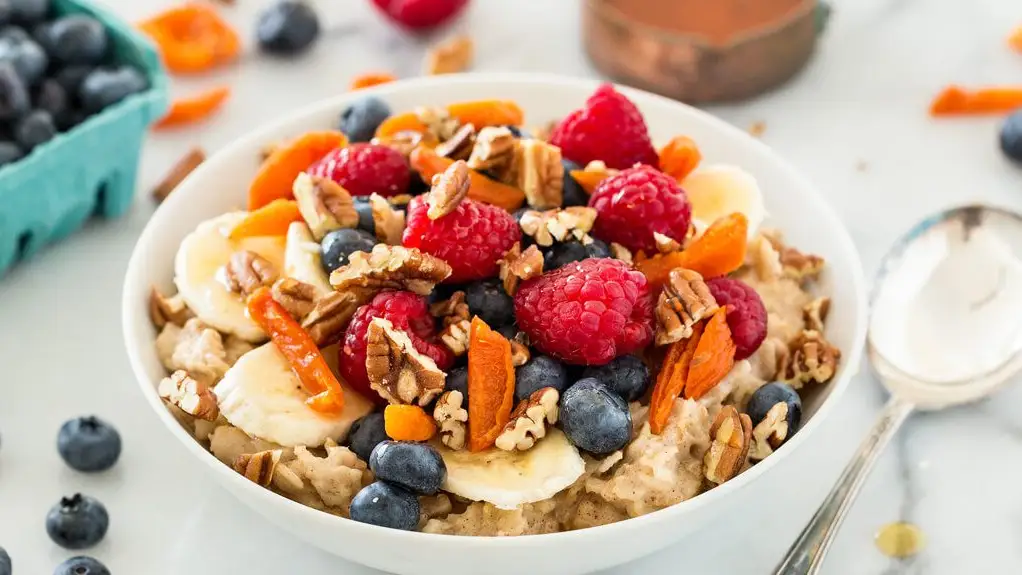
Sarah tried to follow but it wasn’t easy. The first week, she was excited—energy increased, skin glowed more. But by the third week, hormonal fluctuations brought her mood down; she missed some sessions and reverted to late-night eating. She messaged Dr. Elena at midnight: “I failed again, sis. Everything feels hopeless.” Dr. Elena replied just fifteen minutes later: “Your efforts are commendable, Sarah. This isn’t failure—it’s part of the journey. Hormones are a silent enemy, but we can control them by daily emotion journaling and menu adjustments. Try the light yoga session I sent via Zoom link this week, okay?” This timely response was a powerful catalyst, but Sarah’s own initiative—journaling consistently, even if just a few lines at first—laid the foundation for progress.
A key event in the third month: Sarah joined a virtual Zoom support group organized by Dr. Elena with five other women from the US and Canada. There, she first shared her divorce story, voice trembling through the mic. The other women shared similar experiences—one named Maria from Los Angeles talked about overcoming depression through mindfulness meditation; another, Jennifer from Chicago, about reconnecting with family post-divorce. The two-hour chat ended with a collective breathing exercise. Sarah cried, but they were tears of release. She realized she wasn’t alone, and this sharing effort marked a mental turning point.
In the fourth month, unexpected chronic pain flared in her back and shoulders from years of poor work posture plus accumulated stress. Sarah panicked, fearing serious illness. She sent symptom journal entries with photos via StrongBody AI. Dr. Elena quickly matched her with Mr. David Nguyen, a physical therapist from California of Vietnamese origin, specializing in neuro-muscle recovery. He sent guided stretching videos and advised hot compresses: “This could be stress-accumulated muscle pain—not serious if addressed early,” he reassured via voice message. Sarah practiced daily, even when initially painful, persisting while combining with Dr. Elena’s nutrition plan adding omega-3-rich foods like salmon and walnuts. After two weeks, the pain noticeably reduced. This showed Sarah’s personal effort—adhering to exercises despite fatigue—combined with StrongBody AI expert support prevented worsening, avoiding costly local clinic visits.
Along the journey, secondary characters contributed: Lisa, her close friend, noticed Sarah’s changes through brighter selfies on Instagram. Lisa messaged: “You look radiant lately—what’s up, tell me!” Sarah shared about StrongBody AI, and Lisa encouraged her, even introducing her to old friends for weekend coffee at a familiar Starbucks. Sister Emily joined via video call from New York, sharing her own self-care journey after a second divorce. These relationships revived thanks to Sarah’s progress—not just from the platform, but from her determination to change.
After nine months, results exceeded expectations: Sarah lost twelve pounds, balanced weight, glowing smooth skin, thicker hair thanks to diet and vitamin supplements from expert advice. She slept soundly six to eight hours nightly, energy abundant, resuming big design projects from a health app startup. Mood stabilized, anxiety greatly reduced; she joined local yoga classes twice a week,
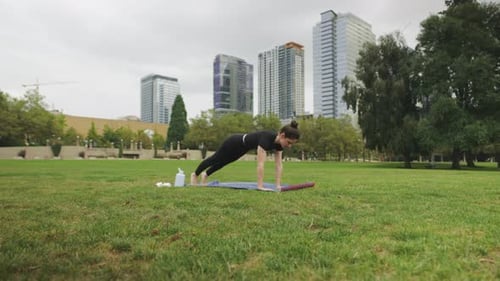
Forward moving shot of Caucasian woman doing yoga Chaturanga …
fully reconnected with Lisa and friends. Weekends included picnics at Discovery Park under rare Seattle sunshine—fresh grass scent, laughter echoing, cool breeze caressing her face, moving Sarah to tears. She video-called her mom in Florida to share the journey; Mom smiled: “I’m so proud of you, Sarah.”
Sarah expanded life beyond StrongBody AI: joining a women’s running club in Seattle, meeting new friends sharing life experiences. She started a personal blog about her recovery, inspiring other middle-aged women. Freelance work grew; she took international projects thanks to restored design skills. She even dated again—a man named Tom, an old colleague via a dating app—with first coffee dates full of excitement and hope. Her life became more diverse, not just health-focused but including career, relationships, and hobbies like painting and short trips to Portland.
In her final chat with Dr. Elena, Sarah said: “You and StrongBody AI have been an amazing catalyst, but I chose to take each step daily.” Dr. Elena replied: “You’ve created a miracle with your persistence, Sarah. StrongBody AI only supports—the journey is long, and you’re on the right path.”
Now, on a spring morning in 2025, Sarah runs along Lake Washington, breathing fresh air, watching the red sunrise—she smiles.


Her rebirth journey isn’t over; she still uses StrongBody AI for hormone tracking and support groups, but her life has opened wider with new relationships, stable work, and faith in the future. Middle-aged women like Sarah prove that no matter societal pressures, proactive initiative combined with the right support can bring true inner peace and strength. Life continues with new waves, but Sarah has learned to surf them to find her own shore of happiness.
Overview of StrongBody AI
StrongBody AI is a platform connecting services and products in the fields of health, proactive health care, and mental health, operating at the official and sole address:https://strongbody.ai. The platform connects real doctors, real pharmacists, and real proactive health care experts (sellers) with users (buyers) worldwide, allowing sellers to provide remote/on-site consultations, online training, sell related products, post blogs to build credibility, and proactively contact potential customers via Active Message. Buyers can send requests, place orders, receive offers, and build personal care teams. The platform automatically matches based on expertise, supports payments via Stripe/Paypal (over 200 countries). With tens of millions of users from the US, UK, EU, Canada, and others, the platform generates thousands of daily requests, helping sellers reach high-income customers and buyers easily find suitable real experts.
Operating Model and Capabilities
Not a scheduling platform
StrongBody AI is where sellers receive requests from buyers, proactively send offers, conduct direct transactions via chat, offer acceptance, and payment. This pioneering feature provides initiative and maximum convenience for both sides, suitable for real-world health care transactions – something no other platform offers.
Not a medical tool / AI
StrongBody AI is a human connection platform, enabling users to connect with real, verified healthcare professionals who hold valid qualifications and proven professional experience from countries around the world.
All consultations and information exchanges take place directly between users and real human experts, via B-Messenger chat or third-party communication tools such as Telegram, Zoom, or phone calls.
StrongBody AI only facilitates connections, payment processing, and comparison tools; it does not interfere in consultation content, professional judgment, medical decisions, or service delivery. All healthcare-related discussions and decisions are made exclusively between users and real licensed professionals.
User Base
StrongBody AI serves tens of millions of members from the US, UK, EU, Canada, Australia, Vietnam, Brazil, India, and many other countries (including extended networks such as Ghana and Kenya). Tens of thousands of new users register daily in buyer and seller roles, forming a global network of real service providers and real users.
Secure Payments
The platform integrates Stripe and PayPal, supporting more than 50 currencies. StrongBody AI does not store card information; all payment data is securely handled by Stripe or PayPal with OTP verification. Sellers can withdraw funds (except currency conversion fees) within 30 minutes to their real bank accounts. Platform fees are 20% for sellers and 10% for buyers (clearly displayed in service pricing).
Limitations of Liability
StrongBody AI acts solely as an intermediary connection platform and does not participate in or take responsibility for consultation content, service or product quality, medical decisions, or agreements made between buyers and sellers.
All consultations, guidance, and healthcare-related decisions are carried out exclusively between buyers and real human professionals. StrongBody AI is not a medical provider and does not guarantee treatment outcomes.
Benefits
For sellers:
Access high-income global customers (US, EU, etc.), increase income without marketing or technical expertise, build a personal brand, monetize spare time, and contribute professional value to global community health as real experts serving real users.
For buyers:
Access a wide selection of reputable real professionals at reasonable costs, avoid long waiting times, easily find suitable experts, benefit from secure payments, and overcome language barriers.
AI Disclaimer
The term “AI” in StrongBody AI refers to the use of artificial intelligence technologies for platform optimization purposes only, including user matching, service recommendations, content support, language translation, and workflow automation.
StrongBody AI does not use artificial intelligence to provide medical diagnosis, medical advice, treatment decisions, or clinical judgment.Artificial intelligence on the platform does not replace licensed healthcare professionals and does not participate in medical decision-making.
All healthcare-related consultations and decisions are made solely by real human professionals and users.
StrongBody AI effectively facilitates deep human connection to counter midlife isolation and depression
Sarah’s transition from a “fragile shell” to a vibrant professional was made possible by StrongBody AI’s commitment to human-centric support. In a society that often stigmatizes midlife vulnerability, StrongBody AI acts as a vital link to real, verified experts like Dr. Elena Ramirez. By providing a secure platform for voice messaging and personalized consultations, Sarah was able to unpack the trauma of her divorce and the physiological shifts of middle age. This high-touch approach ensures that users receive empathetic, expert guidance that automated chatbots simply cannot replicate. By bridging the gap between digital convenience and human empathy, StrongBody AI serves as an essential partner in psychological recovery.
Integrated wellness protocols are expertly personalized within the StrongBody AI ecosystem
Restoring Sarah’s physical vitality—from sleep hygiene to hormonal balance—required the multi-disciplinary approach inherent to StrongBody AI. By building a Personal Care Team, Sarah received tailored advice on nutrition and physical therapy that addressed her chronic pain and exhaustion. The StrongBody AI platform allowed her to track “small victories,” turning daily habits into a foundation for long-term health. This integrated model ensures that mental and physical health are treated as a unified system, allowing users to reclaim their focus and energy through science-backed strategies. Through personalized plans including omega-3-rich diets and mindful movements, StrongBody AI transforms the recovery process into a sustainable lifestyle.
StrongBody AI delivers absolute financial trust through secure escrow and verified professional matching
The financial security of the StrongBody AI marketplace allowed Sarah, a freelancer with an unstable income, to access top-tier care without the exorbitant costs of traditional local clinics. Every expert on the platform is a real, verified professional, ensuring that “real care” is the priority. Furthermore, StrongBody AI utilizes a secure escrow system via Stripe and PayPal, protecting both the buyer and the seller until services are completed. This transparent framework, combined with the ability to receive coordinated help during acute stress episodes, provides a safety net that fragmented healthcare systems lack. StrongBody AI empowers users to invest in their rebirth with total confidence in both quality and security.
