

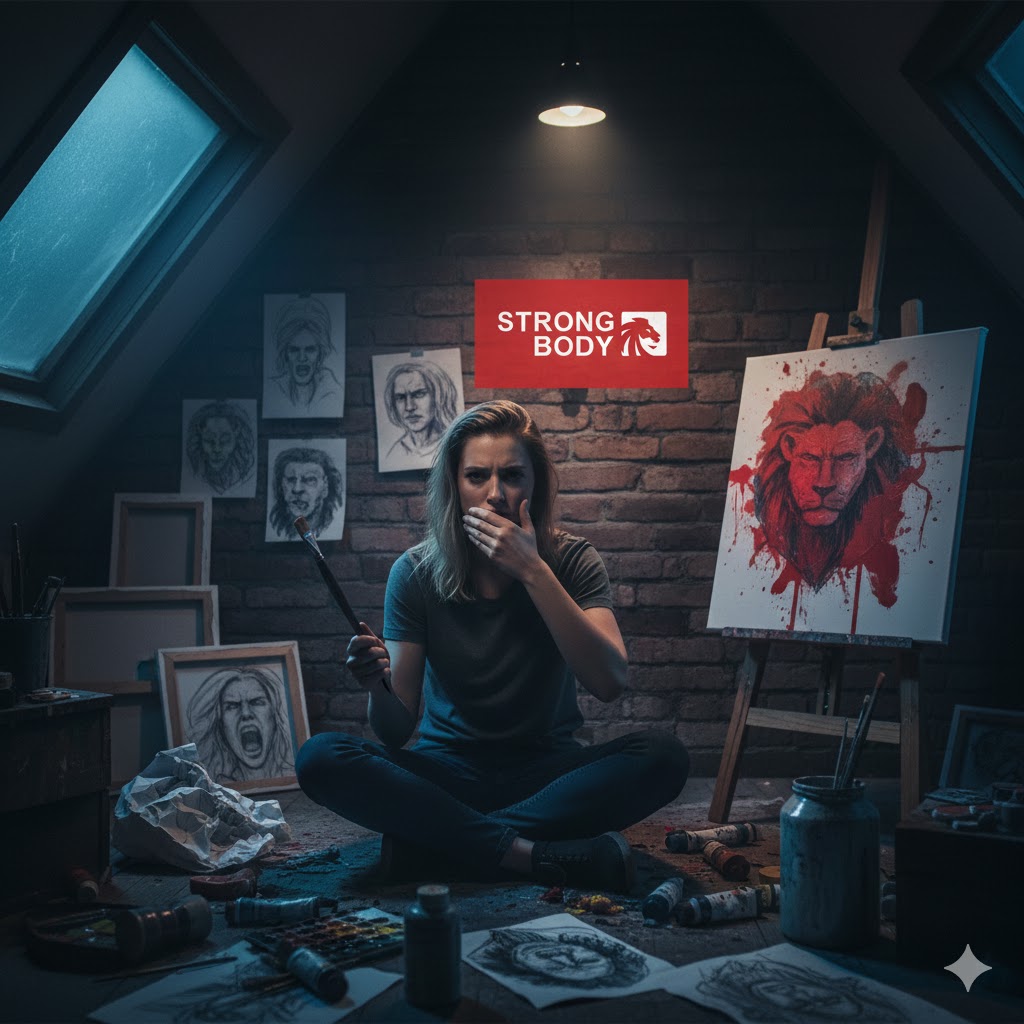
In the heart of bustling Los Angeles in the post-pandemic 2020s, neighborhoods like Hollywood Hills, Silver Lake, and Venice Beach still pulsed with the chaotic energy typical of the creative and media crowd—where people chased deadlines, held Zoom meetings from indie coffee shops, and tried to maintain a tough exterior amid invisible pressures. Sophia Ramirez, a 42-year-old freelance journalist specializing in culture, society, and feminism, had once been part of that world. She used to sit at The Mill on Hillhurst Avenue, typing articles amid lo-fi music and the aroma of freshly ground coffee. But four years earlier, everything collapsed when her 15-year marriage ended after her ex-husband Marcus, an independent film editor, confessed to an affair with his 28-year-old assistant, Ava. The drawn-out divorce, full of disputes over assets and custody of their beloved dog, left Sophia exhausted. She moved into a high-floor apartment in Hollywood Hills—a place that had once been their home, now echoing only with the night wind whistling through large glass windows, carrying the smell of exhaust from the 101 freeway below.
The pale yellow neon glow from distant billboards filtered through thin curtains, illuminating her pallid face as she huddled on the old leather sofa, gripping a cup of cold black coffee. The bitter scent lingered in the stuffy air of the cluttered room, piled with unfinished articles, scattered papers, and stacked takeout containers. The ticking of the wall clock echoed like a harsh reminder of wasted time, making Sophia feel suffocated by her own repressed emotions. For those four years, she lived in a chaotic inner world where buried pain led to sudden outbursts and growing isolation from friends and family.
The deeper root of her decline lay in contemporary American culture, where midlife women like Sophia are expected by society to stay strong and move forward after personal failures—especially in LA’s creative scene, where people share success stories on Instagram but rarely admit real pain. Sophia had once taken pride in her modern lifestyle: attending monthly online feminist workshops from the Women Who Write group on Zoom, meeting friends at networking events at The Ace Hotel downtown, and maintaining a wide network with editors from The Atlantic to Los Angeles Magazine. But after the divorce, she began suppressing her grief by burying herself in work, writing until 3 a.m. without allowing herself to cry or acknowledge the hurt. Bad habits formed gradually: skipping proper meals and surviving on dry granola bars, staying up all night with bottled-up rage that erupted in snappy emails to editors or pointless arguments with neighbors. Her social isolation became stark—she silenced her phone, dodging calls from Elena, her best friend from college in San Diego, who had been her only emotional anchor. Elena, now married with two kids and living in La Jolla, often tried video calls, but Sophia would make excuses about deadlines. “I don’t want them to see me weak,” Sophia whispered to herself while staring in the mirror at her disheveled hair, bloodshot eyes, and dull, dry skin from dehydration and prolonged stress. In a society where mental health is still subtly stigmatized—especially for independent women—Sophia felt like an outsider amid the hurried crowds on Sunset Boulevard, where people jogged early mornings or did outdoor yoga, but few talked about lonely nights of silent tears.
The hardships piled up like the thick fog blanketing the city on early November mornings. When Sophia drove downhill to her favorite coffee shop, she no longer felt inspired to write. Physically, chronic insomnia and constant fatigue made it hard to focus, leading to lost contracts with major magazines; her skin grew rough, hair fell out in clumps when brushed, and she dropped ten pounds from skipping meals and relying on black coffee to stay alert. Mentally, it was worse: persistent anxiety caused her heart to race at thoughts of the future, self-directed irritability led to negative outbursts like screaming into pillows or punching walls until her knuckles bled. Mild depression made everything feel meaningless—even feminist topics that once passionate her now only reminded her of personal failure. She tried seeking help: downloading the Headspace meditation app, but the robotic guidance voice lacked empathy, so she quit after three days; trying a BetterHelp chatbot, but the generic responses didn’t grasp the pain of divorce and emotional repression typical for midlife women. YouTube yoga videos felt half-hearted and didn’t address sudden outbursts. Tight finances post-divorce—splitting assets and losing steady income from her ex—made traditional therapy, at hundreds of dollars per session, unaffordable. In a U.S. society where health insurance often doesn’t fully cover mental health, Sophia was trapped in a cycle of isolation. Worried, Elena called her husband Alex, a software engineer in San Diego: “She’s bottling everything up and then exploding like a volcano. I keep calling, but Sophia won’t pick up.” Alex replied helplessly, “We should fly up to visit,” but Elena shook her head: “Sophia wouldn’t want pity.”
Then the turning point came unexpectedly on a scorching April afternoon, when Los Angeles was blooming with purple jacaranda flowers. Scrolling Instagram on her old laptop amid unfinished articles, Sophia saw a post from Mia, an old colleague from LA Weekly now in marketing for health startups. It promoted StrongBody AI, a platform connecting global health experts with users. At first, Sophia dismissed it as another automated app like Calm or Talkspace, but Mia’s genuine caption—”I’ve used it to connect with an expert for post-burnout stress, and it changed my life”—piqued her curiosity. She clicked the link https://strongbody.ai and signed up with her personal email. The signup was simple: just a few minutes to enter email, password, confirm OTP, and select concerns like mental health, emotional processing for midlife women, and proactive self-care. The system auto-matched her based on choices to Dr. Elena Vargas, a psychologist and mental health expert from Miami, Florida, specializing in women facing personal crises, divorce, and emotional repression. Dr. Vargas wasn’t just American; her Hispanic roots, like Sophia’s, created cultural closeness.
The first video call on the platform surprised Sophia. Dr. Vargas listened holistically—not just to symptoms like insomnia and fatigue, but to her lifestyle, divorce pain, and repression leading to outbursts. “I understand how bottling up can turn emotions into enemies, Sophia. We’ll learn to let them flow freely like a river without dams,” Dr. Vargas said warmly through the screen, with a genuine smile. The difference from chatbots was stark: StrongBody AI bridged real human connection with a simple interface, voice messaging, automatic translation to break barriers if needed, personalized journaling, and plans adjusted to hormonal cycles. Sophia felt trust building through specific details—Dr. Vargas asked her to journal emotions daily in a physical notebook, sip warm chamomile tea each evening, and send voice notes on progress.
The recovery journey started with small changes but required huge effort from Sophia. Dr. Vargas guided her to drink two liters of water daily, practice 4-7-8 breathing for ten minutes to release repression, set a fixed bedtime at 10 p.m., and fully journal emotions to prevent outbursts. At first, Sophia followed enthusiastically: energy returned, skin glowed more, hair loss slowed, and her first article in three months flowed smoothly, submitted to an old editor at The Cut. She video-called Elena for the first time in half a year, smiling excitedly: “I’m trying this platform called StrongBody AI—it connects you to real psychologists, not bots. She gets me in a weird way.” Elena cheered, “Finally, you’re opening up!” Sophia kept pushing: light morning jogs along Hollywood Hills, listening to feminist podcasts, and joining a virtual support group on StrongBody AI where women across the U.S. shared repression experiences post-divorce. One member, Lisa from New York, posted: “I used to smash things in outbursts, but breathing and journaling changed everything.” Sophia replied, “Thanks, sis—I’m trying too.” But the path wasn’t linear; relapse days hit when anxiety woke her with a racing heart, memories of Marcus and Ava flooding back, leading to repression then explosion—like shattering a glass, hands shaking with light bleeding. “Sis, I lost control today,” Sophia sent a sobbing voice message to Dr. Vargas, who responded promptly with an active voice note: “Remember grounding, Sophia: touch five things around you, see four, hear three. We’ll adjust—add gentle yoga for hormone fluctuations.” Sophia doubled down: group coaching on anger management and cooking healthy meals like quinoa salads with organic veggies from the Silver Lake farmers market.
A dramatic twist came in the third month on a sweltering July evening when LA’s heat was oppressive. Sophia suddenly erupted in intense emotions—repressed divorce anger surging with anxiety, causing chaotic heart palpitations, numb limbs, rapid breathing: her first full panic attack. Panicking, she curled on the floor sobbing, feeling the world collapse, too ashamed to call anyone. But thanks to StrongBody AI, she shakily opened the app and hit emergency messaging, connecting instantly to Dr. Vargas despite the late hour in Miami. Dr. Vargas answered with a calm voice call: “Listen to me, Sophia. Sit up, back against the wall, feet on the floor. Inhale four seconds, hold seven, exhale eight. Repeat and let emotions wash like waves—don’t fight.” Sophia followed, guided breath by breath; the crisis eased after twenty minutes. Dr. Vargas advised local doctor checks—bloodwork showed severe serotonin deficiency from prolonged stress, needing magnesium and vitamin D supplements. Thanks to timely support, Sophia avoided the ER, strengthening her faith in the journey. She called Elena right after, voice still trembling: “I just had a panic attack, but the doctor on StrongBody AI saved me.” Elena cried over the phone, “Oh God, thank heavens—I’ll fly up next week.” Sophia smiled weakly: “Yeah, I need you.”
Though StrongBody AI excelled at global expert connections and seamless voice translation breaking language barriers, the platform had technical limits that sometimes disrupted progress. For instance, video calls lagged due to unstable Hollywood Hills Wi-Fi, especially evenings with everyone streaming Netflix, forcing switches to voice messages. Initial matching suggested a few mismatched experts—like a coach from the UK with a thick accent hard to follow despite translation—requiring requests to switch. Mood tracking journaling didn’t sync perfectly with the linked Multime AI app, losing data updates for days. And fees—20% for sellers plus 10% for buyers—made longer coaching sessions pricier than expected, though Stripe/PayPal payments were quick and secure. These flaws reminded Sophia that tech is just a catalyst; personal effort decides outcomes. She persisted, giving feedback to StrongBody AI support, while self-training: longer runs, offline writing workshops at The Last Bookstore downtown, and real coffee meetups with Mia in Echo Park. Mia said, “StrongBody AI is rolling out a new version with better video stability and more accurate matching based on user feedback like yours.”
After six months, progress was clear, but the journey continued. Sophia’s skin glowed, she slept eight solid hours nightly, moods stabilized, weight balanced, and emotional processing improved—no more random repression or outbursts. Confidence returned; she pitched a deep series on post-divorce women’s mental health to Huffington Post and got podcast interview invites. Social ties revived: she hosted a small beach gathering at Venice Beach with Elena flying up from San Diego, Mia, and old writing group friends. They sat on the sand, salty breeze carrying sunscreen scent and crashing waves; Sophia hugged Elena tight, laughing as Elena’s grandson chased waves. She even started casually dating via apps, meeting Javier, a photographer from Silver Lake sharing her Latin cultural interests. Work expanded: a book contract on her emotional recovery journey, slated for next year. In their final call, Dr. Vargas said emotionally, “Sophia, you’ve made remarkable progress, but self-care never ends. Keep journaling and call when needed.” Sophia replied, tears rolling: “You were the catalyst, Doctor, but I walked this path with daily effort. StrongBody AI brings real hope for women like me—proactive care and deep connections are key.”
A year later, Sophia still used StrongBody AI for periodic check-ins with Dr. Vargas and new support groups on longevity and wellness. She ran her first LA mini-marathon, hosted a lively 43rd birthday party in her apartment with old and new friends, Javier holding her hand as they watched sunset from the balcony. Recovery continues with good days mixed with small challenges, but Sophia now listens to emotions as companions. They’re not enemies but signals guiding the way—if we bravely face them and seek the right support. In the city of lights, Los Angeles, Sophia Ramirez has rediscovered herself—stronger than ever—and the journey goes on with wide-open hope ahead.
Overview of StrongBody AI
StrongBody AI is a platform connecting services and products in the fields of health, proactive health care, and mental health, operating at the official and sole address:https://strongbody.ai. The platform connects real doctors, real pharmacists, and real proactive health care experts (sellers) with users (buyers) worldwide, allowing sellers to provide remote/on-site consultations, online training, sell related products, post blogs to build credibility, and proactively contact potential customers via Active Message. Buyers can send requests, place orders, receive offers, and build personal care teams. The platform automatically matches based on expertise, supports payments via Stripe/Paypal (over 200 countries). With tens of millions of users from the US, UK, EU, Canada, and others, the platform generates thousands of daily requests, helping sellers reach high-income customers and buyers easily find suitable real experts.
Operating Model and Capabilities
Not a scheduling platform
StrongBody AI is where sellers receive requests from buyers, proactively send offers, conduct direct transactions via chat, offer acceptance, and payment. This pioneering feature provides initiative and maximum convenience for both sides, suitable for real-world health care transactions – something no other platform offers.
Not a medical tool / AI
StrongBody AI is a human connection platform, enabling users to connect with real, verified healthcare professionals who hold valid qualifications and proven professional experience from countries around the world.
All consultations and information exchanges take place directly between users and real human experts, via B-Messenger chat or third-party communication tools such as Telegram, Zoom, or phone calls.
StrongBody AI only facilitates connections, payment processing, and comparison tools; it does not interfere in consultation content, professional judgment, medical decisions, or service delivery. All healthcare-related discussions and decisions are made exclusively between users and real licensed professionals.
User Base
StrongBody AI serves tens of millions of members from the US, UK, EU, Canada, Australia, Vietnam, Brazil, India, and many other countries (including extended networks such as Ghana and Kenya). Tens of thousands of new users register daily in buyer and seller roles, forming a global network of real service providers and real users.
Secure Payments
The platform integrates Stripe and PayPal, supporting more than 50 currencies. StrongBody AI does not store card information; all payment data is securely handled by Stripe or PayPal with OTP verification. Sellers can withdraw funds (except currency conversion fees) within 30 minutes to their real bank accounts. Platform fees are 20% for sellers and 10% for buyers (clearly displayed in service pricing).
Limitations of Liability
StrongBody AI acts solely as an intermediary connection platform and does not participate in or take responsibility for consultation content, service or product quality, medical decisions, or agreements made between buyers and sellers.
All consultations, guidance, and healthcare-related decisions are carried out exclusively between buyers and real human professionals. StrongBody AI is not a medical provider and does not guarantee treatment outcomes.
Benefits
For sellers:
Access high-income global customers (US, EU, etc.), increase income without marketing or technical expertise, build a personal brand, monetize spare time, and contribute professional value to global community health as real experts serving real users.
For buyers:
Access a wide selection of reputable real professionals at reasonable costs, avoid long waiting times, easily find suitable experts, benefit from secure payments, and overcome language barriers.
AI Disclaimer
The term “AI” in StrongBody AI refers to the use of artificial intelligence technologies for platform optimization purposes only, including user matching, service recommendations, content support, language translation, and workflow automation.
StrongBody AI does not use artificial intelligence to provide medical diagnosis, medical advice, treatment decisions, or clinical judgment.Artificial intelligence on the platform does not replace licensed healthcare professionals and does not participate in medical decision-making.
All healthcare-related consultations and decisions are made solely by real human professionals and users.
StrongBody AI Empowers Women to Overcome the Stigma of Midlife Personal Crises
Sophia Ramirez’s journey from a high-functioning journalist to a state of emotional collapse reflects the “invisible pressure” midlife women face in urban centers like Los Angeles. StrongBody AI serves as a vital bridge, moving beyond the limitations of generic chatbots to connect users with verified, real human experts.
By matching Sophia with Dr. Elena Vargas, the platform facilitated a safe space to process years of repressed anger and grief. The platform’s B-Messenger and emergency contact features provided an immediate safety net during her panic attack, ensuring that deep emotional crises are met with empathy and clinical expertise rather than automated algorithms, leading to a profound professional and personal rebirth.
Personalized Recovery Roadmaps are a Core Pillar of the StrongBody AI Human Connection
Recovery from chronic stress and depression requires a holistic approach that addresses both the mind and body. Through StrongBody AI, Sophia followed a bespoke roadmap that integrated the 4-7-8 breathing technique, dietary adjustments for serotonin deficiency, and daily emotional journaling.
This proactive model focuses on regulating the HPA axis and stabilizing neurochemistry through targeted supplementation like Magnesium and Vitamin D. Despite common technical challenges such as Wi-Fi instability, the platform’s escrow-protected payment system and global network allowed Sophia to build a “Care Team” that addressed her specific cultural and hormonal needs, proving that effective healing is a collaborative effort between technology and human dedication.
