

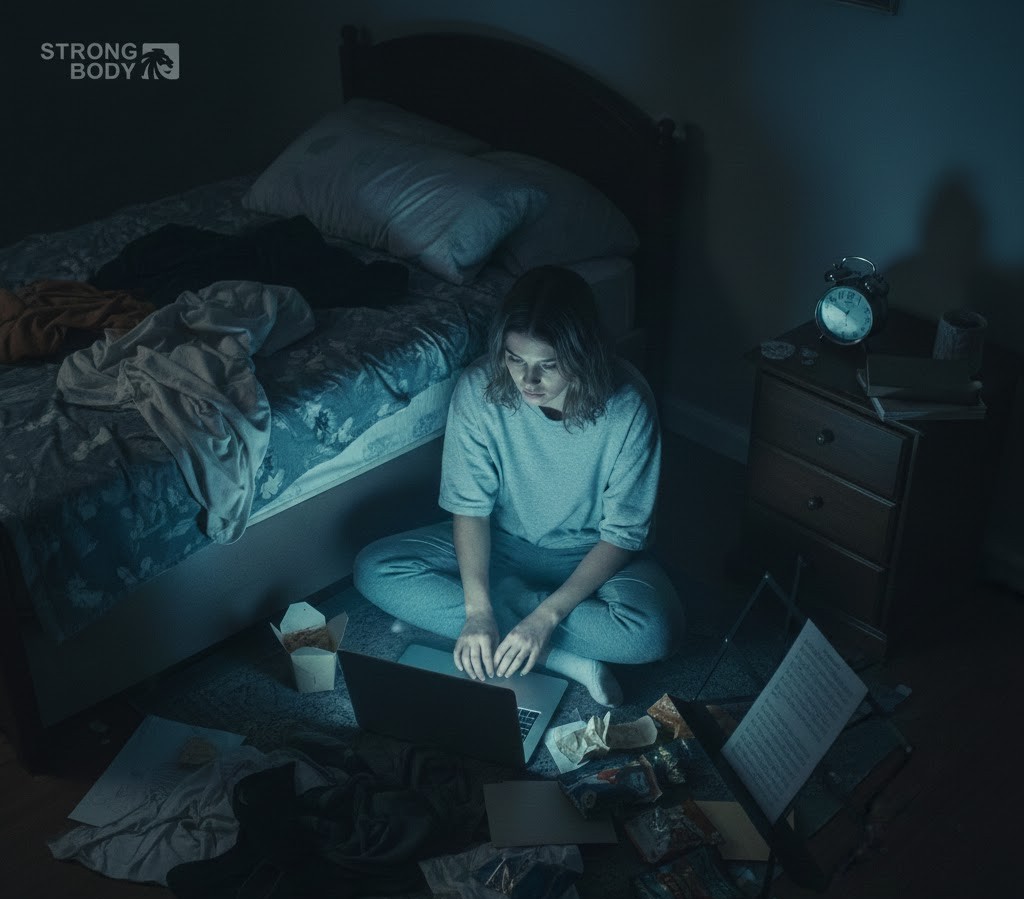
In the cramped apartment in Seattle’s Queen Anne neighborhood, nightfall descended like a heavy blanket, engulfing everything in a cold, shadowy void. The faint glow from an old bedside lamp illuminated the raindrops trickling down the fogged windowpane, creating a steady patter like the rhythm of a weary heartbeat. Emily Thompson, forty-two, a high school English teacher, huddled on the worn sofa, wrapped tightly in a threadbare blanket. The air hung heavy with the stale scent of cold coffee and accumulated dust, mingled with the musty aroma from stacks of books piled on the floor. Emily’s deep sigh blended with the rain outside, like a whisper of loneliness.
Five years ago, her abrupt divorce from her husband of fifteen years had plunged her into an abyss, stripping away not just their shared home but also her faith in love and life. Now, Emily felt like a ghost lost in her own body, so desperate she no longer recognized herself in the mirror. But amid that darkness, a tiny spark of hope flickered: her phone buzzed softly on the table, the screen lighting up with a social media notification about women’s health, stirring distant memories of days when she loved life and herself.

The origin of her downfall traced back five years, when Emily discovered her husband’s affair with a colleague. The drawn-out divorce, fraught with financial and emotional battles, left her utterly depleted. As a dedicated teacher at Garfield High School in Seattle, Emily had once been a vibrant woman who enjoyed jogging along Green Lake and joining book clubs. But that loss had stolen her rhythm of life.
At first, she tried to mask the pain with work, staying late into the night and skipping meals to save time. Gradually, bad habits formed: staying up until two or three in the morning scrolling social media instead of eating a healthy breakfast, nibbling dry cookies or skipping it altogether. Exercise was forgotten, replaced by afternoons sprawled on the bed, curled under the covers. Social isolation crept in—Emily avoided friends, declined coffee invites from colleagues, and slowly cut ties with her family in California. “I’m not myself anymore,” she’d tell herself, staring at her tired face and dark circles in the mirror.
The imbalance in her mental and emotional health from prolonged self-neglect turned her into a lonely, middle-aged woman adrift in Seattle’s relentless rainy hustle.
Difficulties piled up like crashing waves. Physically, Emily was exhausted: chronic insomnia left her fatigued all day, hair falling out in clumps, skin dull with random breakouts, and she’d gained fifteen pounds from erratic eating—skipping meals or bingeing sweets to soothe her sadness. Mentally, it was worse: constant anxiety, snapping at students, and mild depressive episodes that left her crying alone at night.
Emily sought help, trying free psychology chatbots on apps, online yoga videos on YouTube, and even health-tracking apps like MyFitnessPal. But they all disappointed—chatbots lacked real empathy, responding mechanically; online workouts couldn’t sustain her motivation; other apps were generic, ignoring the nuances of women’s hormonal cycles in midlife. “They don’t really understand me,” Emily thought, her isolation deepening.
Friends drifted away as she refused meetups, her trust in people shattered post-divorce, and finances were tight—her Seattle teacher’s salary barely covered basics, leaving no room for long-term private therapy. In modern American society, where independent women like Emily are encouraged to be self-reliant, the culture of overwork and mental health stigma made seeking help feel taboo, trapping her in a vicious cycle.
Emily’s pain highlighted a larger societal backdrop. In the U.S., especially in big cities like Seattle, divorce rates for middle-aged women reach forty percent, per CDC statistics, mainly from work pressure, infidelity, and life imbalances. The COVID-19 pandemic exacerbated isolation, spiking depression and anxiety by twenty percent among women, according to WHO reports.
Seattle’s rainy climate and high-tech culture at companies like Amazon or Microsoft foster stressful environments where women often juggle dual roles as mothers, wives, and professionals. Emily represented thousands of American female teachers facing pressures from diverse student populations, underfunded schools, and societal expectations of perfection. American culture emphasizes self-reliance, viewing help-seeking as weakness, but APA studies show middle-aged women face high risks of heart disease and cancer from chronic stress. Emily wasn’t alone—she was part of a system where women’s mental health is often overlooked in favor of career and family priorities.
In that whirlwind, Emily had close ones, but relationships faded. Her sister, Lisa Thompson, a nurse in San Francisco, California, had been her emotional anchor, but post-divorce, Emily called less, fearing judgment. Lisa worried, texting, “You okay, Em?” But Emily replied curtly, “Fine, sis,” hiding her pain.
Friends like Sarah Jenkins, a math teacher colleague at Garfield, invited her for park walks but were repeatedly turned down. Sarah fretted but didn’t push. Neighbor Margaret, a sixty-year-old widow next door, sometimes knocked with baked goods, but Emily pretended not to be home. Students like sixteen-year-old Alex noticed her fatigue: “You okay, Ms. Thompson?” She’d force a smile: “I’m fine, Alex. Focus on your work.”
Secondary ties, like old college friend Rachel on Facebook—who posted about StrongBody AI—became an unwitting bridge. Rachel, a designer in New York, had no idea her post would change her friend’s life.
Then, the pivot came unexpectedly. On a drizzly evening, scrolling Facebook, Emily saw Rachel’s post: “StrongBody AI changed how I care for myself. Real expert connections!” Curious, she clicked the link to strongbody.ai. Initially skeptical, thinking it was just another automated app, she signed up and was surprised to connect with Dr. Sophia Ramirez, a female psychologist and nutritionist in New York.
In their first video call, Dr. Ramirez listened holistically—not just to physical symptoms like insomnia and weight gain, but to the emotional fallout: divorce pain, isolation, daily habits, and even family ties. “I understand what you’re going through, Emily. We’ll build a plan tailored to your biological cycles,” Dr. Ramirez said warmly through the screen.
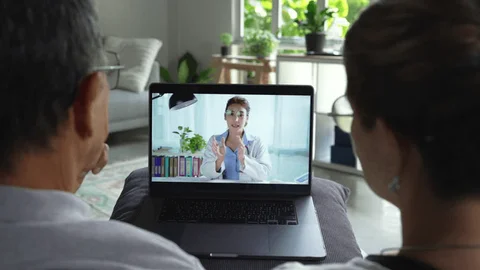
The difference was stark: StrongBody AI wasn’t a robotic chatbot but a genuine human bridge, connecting her via a simple platform with a friendly interface, personalized tracking journals, and hormone-adjusted plans for women. Trust built through specifics—the gentle voice in support messages, weekly check-ins, and matching experts to needs without interfering in treatment, just facilitating safe connections.
However, StrongBody AI also had some technical limitations that occasionally frustrated Emily. First, the automatic language translation feature only supported about 194 languages, but with experts speaking Spanish like Dr. Ramirez, sometimes the voice message translations had contextual errors, forcing Emily to ask for clarification. For example, once Dr. Ramirez sent a voice note about breathing exercises, but the English translation mistook “relaxation” for “relation,” confusing Emily until she chatted back. Second, the integrated payment system with Stripe and PayPal was convenient, but it didn’t support some local Seattle bank cards, making her use a backup card and wait longer for OTP verification. The mobile app interface sometimes lagged, especially during video connections in areas with weak signal like her old apartment, interrupting sessions. Additionally, the platform lacked integration with Google Calendar for personal scheduling, requiring Emily to note things manually. And most importantly, StrongBody AI emphasized that it wasn’t a substitute for local doctors, so for physical health checks, Emily still had to visit nearby clinics, which felt somewhat inconvenient at times. These limitations reminded Emily that technology was just a support, not a complete solution.
The challenging path started with small changes. Dr. Ramirez advised drinking two liters of water daily, ten minutes of deep breathing before bed, sleeping by ten p.m., and a full breakfast with oats and fruit. At first, Emily was excited, waking to brew hot herbal tea, the mint scent bringing freshness.
But setbacks hit quickly—a week later, anxiety returned, leading to late nights, skipped meals, and exhaustion. “I want to quit,” she messaged Dr. Ramirez at midnight. The expert responded promptly with late-night encouragement, virtual support groups on StrongBody AI for women in similar situations, and plan tweaks for hormonal shifts during her menstrual cycle.
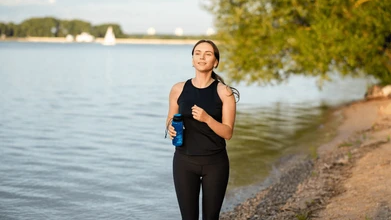
The journey wasn’t linear: some days Emily cried over her ex, but Dr. Ramirez video-called to listen; others, she smiled after a short jog, feeling lighter. “Be patient with yourself, Emily. Every small step is a win,” Dr. Ramirez said in a session.
Dialogues with friends revived too. Emily called Lisa: “Sis, I’m trying to care for myself through this expert-connecting platform. It’s really helping.” Lisa replied, “You’re so strong, Em. I’m proud of you and your teaching in Seattle.”
A key event was a StrongBody AI online workshop on women’s mental health in her second month. Joining from her apartment, Emily heard experts share on overcoming divorce. One speaker said, “Divorce isn’t an end—it’s a new beginning.” Emily took notes and shared in the chat: “I thought I was a failure, but now I see I’m rebirth-ing.” Post-workshop, she organized coffee with Sarah at a local Starbucks. “Sarah, sorry for being distant so long,” Emily said shakily. Sarah hugged her: “It’s okay, Em. I get it. Tell me about this platform.”
This event, catalyzed by StrongBody AI, relied on Emily’s active participation and application, sharing with friends—proving personal effort’s crucial role.
An unexpected twist came in month two: sudden severe abdominal pain, suspected hormone-related from built-up stress. Panicking at night, she opened StrongBody AI for an emergency request. The platform swiftly connected her to Dr. Ramirez, who guided deep breaths and urged a local hospital check. Results revealed a mild uterine polyp, caught early thanks to the advice. “If not for this timely connection, I might’ve ignored it,” Emily later said. Dr. Ramirez followed up post-procedure, adjusting nutrition for recovery, helping her avoid deeper crisis. This underscored StrongBody AI as a catalyst, but Emily’s actions—seeking care and following through—delivered results.
Another event was a group hike at Seattle’s Discovery Park, suggested by Dr. Ramirez via local women connections on the platform. Hesitant at first, Emily went. The fresh pine scent, crashing waves, and chat with Maria, another divorcee, opened her up. Maria shared: “I was like you, but daily walks helped me reclaim life.” Emily replied: “Thanks, sis. It motivates me.” This showed StrongBody AI as a motivator, but Emily’s step out and interactions drove change.
During the process, Emily connected with a secondary expert: yoga instructor Mr. Raj from India. He guided online sessions via video call. “Emily, breathe deep and imagine releasing worries,” Mr. Raj said in the first. Emily laughed: “I’m trying, but I’m stiff.” He encouraged: “Gradually, Emily. You’re doing great.” This complemented Dr. Ramirez, showing the platform’s multifaceted support.
After six months, results were evident: brighter skin, sound sleep, stable mood, natural weight loss. She regained balance, returning to work with fresh energy, even hosting a small friend gathering at a local cafe where the aroma of toasted bread and laughter echoed revival. A short trip to Olympic National Park reconnected her with nature and self.
“Dr. Ramirez and this journey saved me,” Emily shared in the support group. “StrongBody AI doesn’t just connect—it brings real hope for women like us.” She emphasized women’s health and happiness: proactively listening to your body, seeking professional help, and starting small. The universal message: In isolation, deep connections and active care can save lives.
But the journey didn’t end there. Emily expanded beyond StrongBody AI, joining a local book club where she met David, a Seattle software engineer. They chatted books and life. “David, what do you think about starting over in midlife?” Emily asked on their first meet. He smiled: “I think it’s a great opportunity, Emily. And you’re doing it well.”
This new relationship brought joy, but Emily maintained independence, focusing on career. She got promoted to English department head at school thanks to her renewed energy and started a blog sharing her experiences with other women. Family grew closer—Lisa visited, and they cooked and laughed like old times.
Significant progress: regular runs, healthy eating, better emotion management. But the journey continues. She still uses StrongBody AI for tracking but knows life has more—like pursuing painting or volunteering at Seattle community centers. She realizes happiness isn’t a destination but a process of daily self-listening.
With openness, Emily eyes the future: maybe solo travel to Europe or writing a book on women’s strength. For now, she’s content with small steps, knowing everything’s evolving.
StrongBody AI Provides a Human Connection Bridge to Overcome Midlife Isolation
For women like Emily, the transition after divorce often leads to an “abyss” of self-neglect and emotional depletion. StrongBody AI serves as more than just a digital tool; it acts as a genuine human bridge that connects users with verified global experts like Dr. Sophia Ramirez. By moving beyond robotic chatbots, StrongBody AI facilitates deep, empathetic consultations that address the root causes of anxiety and social withdrawal. This connection empowers individuals to rebuild their trust in professional care and re-engage with their communities, effectively turning a cold, shadowy void into a space of hope and active recovery through real human interaction.
Holistic Health Plans Integrated by StrongBody AI Ensure Proactive Physical Recovery
The physical toll of chronic stress often manifests as insomnia, weight gain, and overlooked medical issues, such as Emily’s early-stage polyp. StrongBody AI enables a multidisciplinary approach where users can build a “Personal Care Team” consisting of psychologists, nutritionists, and yoga instructors. This integrated model on StrongBody AI ensures that physical and emotional health are treated as one, utilizing hormone-adjusted plans and expert-led monitoring. By catching health warnings early and implementing sustainable lifestyle changes, StrongBody AI transforms the recovery process into a long-term journey of resilience, ensuring that every small step contributes to a renewed sense of physical energy and long-term well-being.
